Vegan & Vegetarian Gym Diet Plan for Muscle Gain & Fat Loss (2026) | GymDietUSA
ðŸŒą Complete Plant-Based Guide — USA 2026

Vegan & VegetarianGym Diet Plan

Build muscle, burn fat, and perform at your peak 100% plant-powered. The most complete vegan and vegetarian gym nutrition guide in the USA, free and updated for 2026.
💊 Muscle Building ðŸ”Ĩ Fat Loss 🌍 Sustainable 🧎 Science-Backed 📅 7-Day Meal Plan
1 in 4
Americans Reducing Meat 2025
2.2g
Max Protein / kg BW
100%
Muscle Goals Achievable
B12
#1 Must Supplement
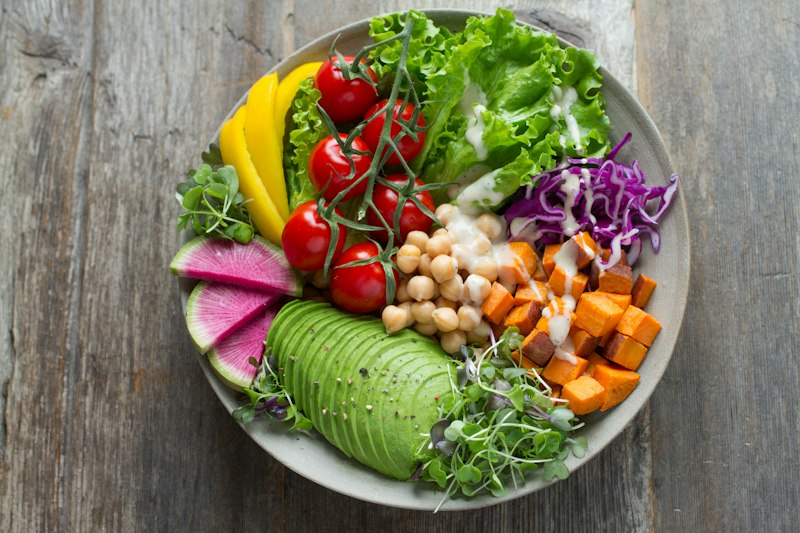
Colorful plant-based gym meal with legumes, grains and vegetables
Plant Power
Zero Compromise on Performance
ðŸŒą Lentils + Rice = Complete Protein
💊 B12 — Supplement Daily
Know the Difference

Vegan vs. Vegetarian Which Is Right for You?

Both approaches can fully support your gym goals. Understanding the differences helps you choose the right strategy and avoid nutrient gaps.

ðŸŒŋ

Vegan Diet

Zero animal products — fully plant-based

✅ Includes

VegetablesFruitsLegumesGrainsNuts & SeedsTofu & TempehPlant Milks

ðŸšŦ Excludes

Meat & FishDairyEggsHoneyWhey Protein
⚠ïļ Requires more planning B12, iron, omega-3, zinc, and calcium must be managed intentionally through food choices and targeted supplementation.
ðŸĨš

Vegetarian Diet

No meat or fish — dairy & eggs allowed

✅ Includes

VegetablesFruitsLegumesGrainsDairyEggsGreek YogurtWhey Protein

ðŸšŦ Excludes

MeatPoultryFish & Seafood
✅ Easier for gym-goers — eggs, whey protein, and Greek yogurt cover most protein and nutrient gaps. Main supplements needed: vitamin D and omega-3.
Real Problems — Real Solutions

Why Plant-Based Gym-GoersStruggle — And How to Fix It

These are the six most common reasons people fail at vegan or vegetarian gym nutrition — and exactly how to overcome each one.

ðŸ˜Đ

Not Getting Enough Protein

The #1 challenge. Most beginners simply swap animal products for vegetables without replacing the protein leading to muscle loss, constant hunger, and zero gym progress.

✅ Fix: Target 1.6–2.2g protein per kg body weight daily. Eat tofu, tempeh, lentils, chickpeas, and seitan at every main meal not just dinner.
ðŸ˜ī

Constant Fatigue & Low Energy

Feeling exhausted even after sleeping well? This is nearly always a B12, iron, or vitamin D deficiency the three nutrients most depleted in new plant-based eaters.

✅ Fix: Start B12 supplements immediately (25–100mcg daily). Eat iron-rich foods with vitamin C to boost absorption by up to 300%. Get vitamin D levels checked.
📉

Losing Muscle Instead of Fat

On a calorie deficit without adequate protein, the body breaks down lean muscle for energy especially dangerous on a plant-based diet where protein sources are less bioavailable.

✅ Fix: Increase protein by 10–20% above omnivore targets to compensate for lower plant protein digestibility. Never skip resistance training during a cut.
ðŸ§Đ

Incomplete Amino Acid Profiles

Most plant proteins are "incomplete" lacking one or more essential amino acids. Eating only lentils or only rice means your muscles can't fully rebuild between workouts.

✅ Fix: Combine grains + legumes across the day (not necessarily at the same meal). Rice + beans, quinoa + chickpeas, or pea protein + hemp protein covers all essential aminos.
ðŸĶī

Weakening Bones & Joints

Low calcium and vitamin D intake on vegan diets increases fracture risk and slows recovery. Many plant eaters don't realize standard plant milks are often not fortified adequately.

✅ Fix: Use calcium-fortified plant milks (400mg+ per cup), eat tofu set with calcium, leafy greens (kale, bok choy), and supplement vitamin D3 (algae-derived, 1000–2000 IU daily).
🍕

Overeating Processed Vegan Food

The "plant-based" label on packaged foods is not a nutrition guarantee. Many vegan products are ultra-processed, high in sodium, and offer poor protein-to-calorie ratios.

✅ Fix: Build meals around whole plant foods first legumes, grains, vegetables, nuts. Reserve processed vegan products for convenience, not as meal foundations.
The Foundation

The 5 Pillars ofPlant-Based Athletic Nutrition

Master these five principles and plant-based gym performance becomes not just possible — but exceptional.

01
Complete Protein Strategy
Combine grains (low in lysine) with legumes (high in lysine) across your day to create complete amino acid profiles. Rice + lentils, hummus + pita, tofu + quinoa — these pairings unlock the full muscle-building potential of plant foods.
02
Critical Nutrient Management
Four nutrients require proactive attention on plant-based diets: Vitamin B12, Vitamin D, Omega-3 (DHA/EPA), and Iron. Manage these intentionally through food choices and targeted supplements to avoid the fatigue and performance dips that plague unprepared plant-based athletes.
03
Calorie Density Management
Plant foods are less calorie-dense great for fat loss, challenging for muscle building. For bulking, include calorie-dense plant foods: nuts, nut butters, avocado, dried fruit, whole grains, and legumes to hit your calorie surplus without eating enormous volumes.
04
Protein Quantity Eat More Than You Think
Plant proteins have lower digestibility scores (PDCAAS) than animal proteins. Vegan athletes need 1.6–2.2g protein per kg bodyweight about 10–20% more than omnivores to achieve equivalent muscle protein synthesis rates.
05
Strategic Supplementation
Supplements are not optional for vegans they're essential. B12, algae-based omega-3, and vitamin D fill the gaps that no amount of whole-food eating can reliably cover on a fully plant-based diet. Creatine and beta-alanine also deliver proven performance benefits.
Plant Protein Library

Best Plant Protein Sourcesfor Gym-Goers

These are the highest-protein, most gym-ready plant foods available in any US supermarket. Protein amounts per 100g serving.
Seitan high protein plant food🏆 #1
Seitan (Wheat Gluten)
25g protein/100g
Highest plant protein density. Meaty texture — ideal for stir-fries and grain bowls.
Tempeh vegan protein
Tempeh
19g protein/100g
Fermented soy with probiotics. Better absorbed than tofu. Nutty, firm texture.
Edamame soy beans protein
Edamame
11g protein/100g
Complete protein. High in fiber and folate. Perfect pre-workout snack.
Lentils plant protein
Lentils
9g protein/100g
Budget-friendly iron powerhouse. Pair with rice for a complete amino profile.
Chickpeas high protein
Chickpeas
9g protein/100g
Versatile base for curries, salads, and roasted snacks. Rich in zinc.
Tofu protein for vegans
Tofu (Firm)
8g protein/100g
Complete protein. High in calcium when set with calcium sulfate. Absorbs any flavour.
Black beans vegan protein
Black Beans
9g protein/100g
High in anthocyanins and fiber. Excellent paired with quinoa for a complete meal.
Quinoa complete plant proteinComplete
Quinoa
4g protein/100g
One of the few complete plant proteins containing all 9 essential amino acids.
Peanut butter plant protein
Peanut Butter
25g protein/100g
High-calorie protein dense food. Ideal for bulking or calorie-boosting shakes.
🍚 + ðŸŦ˜
Rice + Lentils
18g
protein per cup
Complete Amino Profile
ðŸŒū + ðŸŦ˜
Quinoa + Chickpeas
22g
protein per cup
High Lysine + Methionine
ðŸĨ™ + ðŸŒŋ
Hummus + Whole-Grain Pita
16g
protein per serving
Quick & Portable
Don't Ignore These

Critical Nutrients EveryPlant-Based Athlete Needs

These are the five nutrients most commonly deficient in vegan and vegetarian gym-goers and exactly how to get enough of each.

💊

Vitamin B12 Supplement Immediately

Not found reliably in any plant food. B12 deficiency causes fatigue, nerve damage, and irreversible cognitive decline. Every vegan must supplement no exceptions. Vegetarians should also supplement unless dairy and egg intake is very high.

25–100 mcg daily OR 2,500 mcg weekly
🐟

Omega-3 (DHA & EPA) Use Algae Oil

Flax and chia seeds provide ALA but only 5–10% converts to the active DHA/EPA your brain and joints need. Algae-based omega-3 (where fish themselves get their DHA) is the direct, vegan-friendly source. Essential for inflammation control and muscle recovery.

250–500 mg DHA/EPA daily from algae oil
☀ïļ

Vitamin D3 — Algae-Derived

Over 40% of Americans are vitamin D deficient — the rate is higher among those avoiding animal products. Vitamin D supports bone density, immune function, testosterone levels, and muscle strength. Choose vegan D3 (algae-derived) over D2 for better absorption.

1,000–2,000 IU daily (get blood tested annually)
ðŸŦ˜

Iron — Eat with Vitamin C

Plant iron (non-heme) absorbs at only 2–20% vs. 15–35% for animal iron. Vegan athletes need 1.8× the standard RDA. Combine iron-rich foods (lentils, spinach, tofu, pumpkin seeds) with vitamin C sources (bell peppers, citrus, broccoli) to increase absorption by up to 300%.

32 mg/day for women, 14 mg/day for men (plant-based)
ðŸĶī

Calcium Fortified Foods + Tofu

Dairy-free athletes must be intentional. Best plant calcium sources: calcium-set tofu (up to 350mg per Â― cup), fortified plant milks (300–400mg per cup), kale, bok choy, broccoli, and white beans. Pair with vitamin D to ensure absorption.

1,000–1,200 mg daily
⚡

Zinc — Often Overlooked

Plant zinc is bound to phytates that reduce absorption. Plant-based athletes need 50% more zinc than omnivores for equivalent utilization. Zinc supports protein synthesis, testosterone production, and immune function — critical for anyone training hard.

12–16 mg daily from pumpkin seeds, lentils, chickpeas
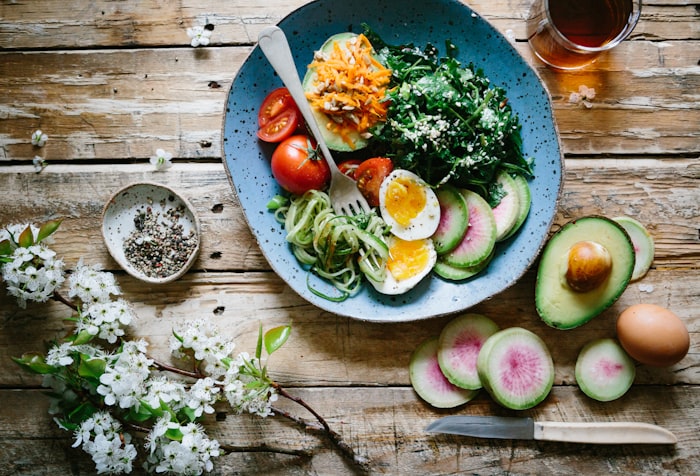
Plant-based nutrition foods rich in iron, protein and vitamins

ðŸ’Ą The Vitamin C Trick

Eat a vitamin C-rich food with every iron-rich plant meal. Bell peppers, citrus juice, broccoli, or strawberries alongside lentils, spinach, or tofu can increase iron absorption by up to 300% — the single most impactful nutrition hack for plant-based athletes.

Free Meal Plans

7-Day Plant-BasedMeal Plans

Two complete 7-day plans — one fully vegan, one vegetarian. Both hit your protein targets, cover critical nutrients, and are built for real gym performance.

DAY 1
Build Monday
~2,800 cal
🌅
Breakfast
Tofu scramble with spinach, turmeric, nutritional yeast + 2 slices whole-grain toast + avocado
~32g protein
☀ïļ
Lunch
Lentil & quinoa power bowl with roasted veggies, tahini dressing, and pumpkin seeds
~28g protein
⚡
Pre-Workout
Pea protein shake with banana, almond butter, and plant milk
~30g protein
ðŸ―ïļ
Dinner
Tempeh stir-fry with broccoli, bell peppers, and brown rice in tamari-ginger sauce
~35g protein
DAY 2
Fuel Tuesday
~2,750 cal
🌅
Breakfast
Overnight oats with chia seeds, plant protein powder, berries, and almond butter
~28g protein
☀ïļ
Lunch
Black bean and sweet potato burrito bowl with salsa, guacamole, and corn tortilla
~25g protein
ðŸĨœ
Snack
Edamame (1 cup) + mixed nuts and dried cranberries
~18g protein
ðŸ―ïļ
Dinner
Chickpea pasta with cashew-based tomato cream sauce and spinach
~30g protein
DAY 3
Recovery Wednesday
~2,700 cal
🌅
Breakfast
Green protein smoothie bowl: spinach, pea protein, banana, hemp seeds, almond milk topped with granola
~30g protein
☀ïļ
Lunch
Red lentil soup with whole-grain bread and a large kale salad with lemon tahini dressing
~24g protein
ðŸĨœ
Snack
Rice cakes with peanut butter and banana slices
~14g protein
ðŸ―ïļ
Dinner
Sesame-glazed tofu with bok choy, edamame, and steamed jasmine rice
~28g protein
DAY 4
Power Thursday
~2,850 cal
🌅
Breakfast
High-protein pancakes: oat flour + flax egg + plant protein powder with maple syrup and berries
~26g protein
☀ïļ
Lunch
Seitan and roasted vegetable sandwich on whole-grain bread with hummus and sprouts
~38g protein
⚡
Pre-Workout
Dates + plant protein bar or pea protein shake with oat milk
~22g protein
ðŸ―ïļ
Dinner
Vegan chili (kidney beans, black beans, lentils, tomatoes) with quinoa and avocado
~32g protein
DAY 5
Flex Friday
~2,720 cal
🌅
Breakfast
Tofu and vegetable breakfast burrito in whole-grain wrap with salsa and guacamole
~28g protein
☀ïļ
Lunch
Buddha bowl: falafel, tabbouleh, hummus, roasted chickpeas, mixed greens, and lemon dressing
~26g protein
ðŸĨœ
Snack
Soy yogurt with hemp seeds and walnuts
~16g protein
ðŸ―ïļ
Dinner
Coconut lentil curry with brown basmati rice and steamed broccoli
~28g protein
DAY 6
Weekend Gains
~2,900 cal
🌅
Breakfast
Avocado toast with hemp seeds + large pea protein smoothie with oat milk and berries
~30g protein
☀ïļ
Lunch
Teriyaki tempeh with stir-fried vegetables, sesame seeds, and soba noodles
~32g protein
ðŸĨœ
Snack
Almond butter and banana on rice cakes + handful of pumpkin seeds
~14g protein
ðŸ―ïļ
Dinner
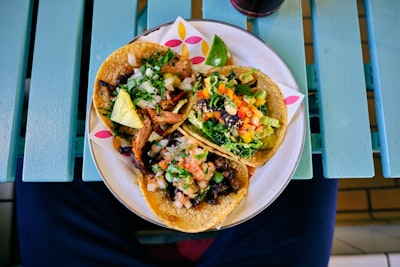
Jackfruit pulled "pork" tacos with black beans, mango salsa, and corn tortillas
~24g protein
DAY 7
Prep Sunday
~2,650 cal
🌅
Breakfast
Chia seed pudding with coconut milk, mango, and a scoop of plant protein powder
~24g protein
☀ïļ
Lunch
Quinoa tabbouleh with roasted chickpeas, cucumber, tomato, parsley, and lemon-olive oil
~22g protein
ðŸĨœ
Snack
Celery and carrot sticks with hummus + a small handful of mixed nuts
~10g protein
ðŸ―ïļ
Dinner
Sheet-pan tofu and vegetable roast with sweet potato, broccoli, and tahini drizzle
~28g protein
DAY 1
Fat-Burn Monday
~1,900 cal
🌅
Breakfast
3-egg veggie omelette with spinach, mushrooms, feta + 1 slice whole-grain toast
~32g protein
☀ïļ
Lunch
Large chickpea salad with cucumber, tomato, feta, olives, and lemon-herb dressing
~24g protein
ðŸĨœ
Snack
Greek yogurt (full-fat, plain) with a handful of walnuts and berries
~18g protein
ðŸ―ïļ
Dinner
Lentil soup with whole-grain bread and a side of steamed broccoli with lemon
~22g protein
DAY 2
Lean Tuesday
~1,850 cal
🌅
Breakfast
Protein overnight oats with whey, banana, and almond butter
~30g protein
☀ïļ
Lunch
Cottage cheese and quinoa bowl with roasted vegetables and pesto
~28g protein
ðŸĨœ
Snack
2 hard-boiled eggs + a piece of fruit
~14g protein
ðŸ―ïļ
Dinner
Paneer tikka with cauliflower rice and raita (yogurt + cucumber sauce)
~30g protein
DAY 3
Cut Wednesday
~1,800 cal
🌅
Breakfast
Greek yogurt parfait with granola, chia seeds, and mixed berries
~20g protein
☀ïļ
Lunch
Tofu veggie wrap with hummus, spinach, roasted peppers, and whole-grain tortilla
~22g protein
ðŸĨœ
Snack
Cottage cheese with pineapple chunks
~16g protein
ðŸ―ïļ
Dinner
Egg and vegetable fried quinoa with edamame and soy sauce
~26g protein
DAY 4
Strength Thursday
~2,000 cal
🌅
Breakfast
Whey protein smoothie with oat milk, spinach, banana, and flaxseed
~30g protein
☀ïļ
Lunch
Black bean and halloumi grain bowl with rocket, corn, and lime-cilantro dressing
~28g protein
ðŸĨœ
Snack
String cheese + apple
~8g protein
ðŸ―ïļ
Dinner
Vegetable and egg white frittata with roasted sweet potato and side salad
~30g protein
DAY 5
Lean Friday
~1,850 cal
🌅
Breakfast
Egg muffins with spinach, cheddar, and sun-dried tomatoes (meal-prepped)
~24g protein
☀ïļ
Lunch
Caprese salad with fresh mozzarella, tomatoes, basil + lentil soup
~26g protein
ðŸĨœ
Snack
Greek yogurt + a handful of almonds
~16g protein
ðŸ―ïļ
Dinner
Spinach and ricotta stuffed bell peppers with a tomato and quinoa base
~28g protein
DAY 6
Weekend Reset
~1,950 cal
🌅
Breakfast
Full veggie fry-up: 3 eggs, grilled tomato, mushrooms, spinach, and beans
~30g protein
☀ïļ
Lunch
Saag paneer (spinach + Indian cheese) with brown rice and cucumber raita
~28g protein
ðŸĨœ
Snack
Cottage cheese bowl with peach and a sprinkle of chia seeds
~16g protein
ðŸ―ïļ
Dinner
Greek salad with chickpeas and feta + a cup of lentil soup
~22g protein
DAY 7
Prep Sunday
~1,800 cal
🌅
Breakfast
Whey protein pancakes with berries and a drizzle of honey
~28g protein
☀ïļ
Lunch
Vegetable and halloumi skewers with tabbouleh and hummus
~26g protein
ðŸĨœ
Snack
Greek yogurt with walnuts and a teaspoon of honey
~12g protein
ðŸ―ïļ
Dinner
Shakshuka (eggs poached in spiced tomato sauce) with whole-grain sourdough
~24g protein
Non-Negotiable

EssentialPlant-Based Supplements

These supplements are not optional accessories — they fill critical gaps that even a well-planned vegan diet cannot reliably cover from food alone.

💊
Vitamin B12
Not found reliably in any plant food. Deficiency causes fatigue, nerve damage, and irreversible neurological decline. Zero exceptions for vegans.
25–100 mcg daily
OR 2,500 mcg weekly
ðŸ”ī Must Take
🐟
Algae Omega-3
Provides DHA and EPA directly — the same source fish use. Flax and chia only provide ALA, which barely converts to the active forms your brain and muscles need.
250–500 mg DHA/EPA daily
ðŸ”ī Must Take
☀ïļ
Vitamin D3 (Vegan)
Choose algae-derived D3, not D2. Supports muscle strength, bone density, testosterone, and immune function. Over 40% of Americans are deficient regardless of diet.
1,000–2,000 IU daily
ðŸ”ī Must Take
💊
Vegan Protein Powder
Pea + rice protein blend achieves an amino acid profile comparable to whey. Convenient protein gap-filler — not a meal replacement but a practical booster for active gym days.
1–2 scoops daily as needed
Pea + Rice blend preferred
ðŸŸĒ Recommended
⚡
Creatine Monohydrate
Vegans have naturally lower creatine stores (found primarily in meat). Supplementation improves strength, power output, and muscle growth studies show vegans respond even more strongly than omnivores.
3–5g daily
Creatine monohydrate
ðŸŸĒ Recommended
ðŸĶī
Zinc & Iron
Only supplement if blood tests confirm deficiency. Many plant-based athletes get enough through food, but active individuals especially women may need targeted support during training blocks.
Get blood tested first
Dose per physician
ðŸŸĄ If Deficient
Myth vs. Reality

Plant-Based MythsCompletely Debunked

These are the most persistent misconceptions stopping people from committing to a plant-based gym lifestyle — all thoroughly disproven by current research.

❌ Myth
"You Can't Build Muscle on Plants"
✅ Reality
Multiple studies confirm plant-based athletes build muscle as effectively as omnivores with adequate total protein and variety. Elite bodybuilder Nimai Delgado and NBA players are living proof — at the highest performance levels.
❌ Myth
"Plant Proteins Are Always Inferior"
✅ Reality
When properly combined and consumed in sufficient quantity, plant proteins support muscle protein synthesis as effectively as animal proteins. Pea + rice protein achieves an amino acid score comparable to whey protein.
❌ Myth
"Vegans Are Always Nutrient Deficient"
✅ Reality
Well-planned vegan diets often exceed omnivore intake in vitamins C and E, magnesium, folate, and antioxidants. Strategic supplementation covers the few genuine gaps (B12, D3, omega-3). Deficiency is a planning failure, not an inevitable outcome.
❌ Myth
"You Need Meat for Iron and Energy"
✅ Reality
Plant sources like lentils, spinach, tofu, and pumpkin seeds are rich in iron. Absorption is maximized by pairing with vitamin C. Studies show plant-based endurance athletes maintain comparable iron status to meat-eaters with proper dietary strategies.
❌ Myth
"Vegan Diets Are Too Expensive for Gym-Goers"
✅ Reality
The most protein-dense plant foods — lentils, chickpeas, black beans, tofu, oats, and rice — are among the cheapest items in any US supermarket. A plant-based gym diet can cost significantly less per week than one built around premium animal proteins.
❌ Myth
"You Have to Eat Huge Volumes to Get Enough Protein"
✅ Reality
Using high-protein plant foods strategically seitan (25g/100g), tempeh (19g/100g), and pea protein powder (80g+/100g) — makes hitting 150g+ of protein daily completely practical without eating enormous quantities of food.
Start Here

How to Start aVegan Gym Diet

Five steps in order. Most beginners fail at step one skipping the protein calculation and assuming plants will handle it automatically.

1

Calculate Your Protein Target

Set a goal of 1.6–2.2g protein per kg of body weight daily. For a 150lb (68kg) person, this means 109–150g per day. Use our free macro calculator to get your exact number.

2

Build Your Protein Foundation

Identify 3–4 plant proteins you genuinely enjoy eating — tofu, lentils, tempeh, seitan, chickpeas. Include at least one at every main meal, not just dinner. Protein consistency across the day maximizes muscle protein synthesis.

3

Start B12 Today, Not Tomorrow

B12 deficiency is irreversible if left untreated. Start supplementing on day one of going vegan not after you notice symptoms. 25–100mcg daily or 2,500mcg weekly. This is the most important single action for any vegan.

4

Practice Protein Combining

Pair grains with legumes across the day to ensure a complete amino acid profile. You don't need to combine at every single meal — balance across the day works equally well for muscle building according to current research.

5

Track Macros for the First 2 Weeks

Use a nutrition tracker to verify you're actually hitting your targets. Most beginners underestimate protein gaps by 30–50g per day when switching to plant-based eating — tracking reveals and fixes this quickly without long-term obsession.
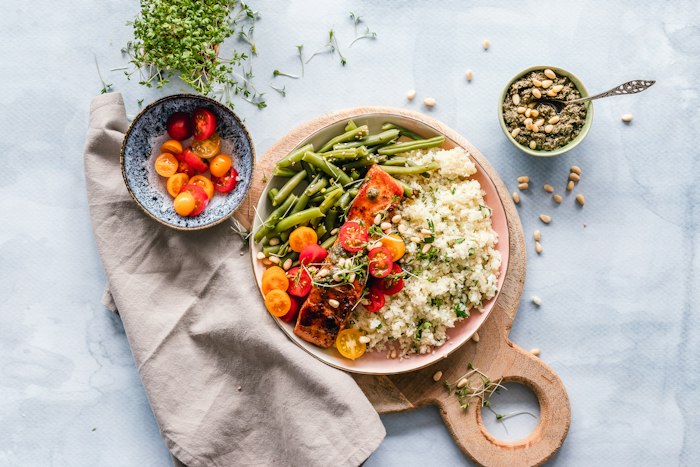
Preparing a plant-based meal for gym performance

ðŸ’Ą The Diversity Rule

The more variety in your plant food choices, the more complete your nutritional coverage. Aim for at least 30 different plant foods per week — this is both a gut health and nutritional insurance strategy backed by research from Gut Microbiota for Health.

The 7-Day Plant-Powered Challenge

Try these seven daily habits for one week. Each one builds on the last. By day 7, you'll have experienced every core principle of plant-based gym nutrition — and know exactly what works for your body.

Get My Custom Plant Plan →
01
Add Legumes to One Meal

Add one serving of lentils, chickpeas, or black beans to lunch or dinner.

02
Try a New Whole Grain

Swap white rice for quinoa, farro, millet, or buckwheat at one meal.

03
Cook with Tofu or Tempeh

Make a full meal with tofu or tempeh as the primary protein source.

04
Add Ground Flax or Chia to Breakfast

Stir 2 tablespoons of ground flaxseed into your morning meal for omega-3 and fiber.

05
Build a Complete Protein Combo

Intentionally pair a grain with a legume at the same meal — feel the difference in satiety.

06
Try a New Leafy Green

Cook or eat raw kale, collard greens, Swiss chard, or bok choy for calcium and iron.

07
Plan a Fully Plant-Based Day

Complete one full day using only this guide. Track protein and check your numbers.

People Also Ask

Vegan DietFAQs — Answered

Absolutely. Multiple peer-reviewed studies confirm plant-based athletes build muscle as effectively as omnivores when total protein is adequate (1.6–2.2g/kg) and sources are varied. The key is hitting your protein target consistently — not the source. Use our free macro calculator to find your target.
Vegans need slightly more than omnivores — 1.6–2.2g per kg of body weight — because plant proteins have lower digestibility scores. For a 150lb (68kg) person this is 109–150g of protein per day from varied plant sources like lentils, tofu, tempeh, seitan, and plant protein powder.
Top gym-ready plant proteins: Seitan (25g/100g), tempeh (19g/100g), edamame (11g/100g), lentils (9g/100g), chickpeas (9g/100g), tofu (8g/100g), and quinoa (complete protein). Combine pea + rice protein powder (80g+/100g) as a practical daily booster.
The three non-negotiable supplements for vegans are: Vitamin B12 (25–100mcg daily), Algae omega-3 (250–500mg DHA/EPA daily), and Vitamin D3 (algae-derived, 1000–2000 IU daily). Creatine is also highly recommended for gym-goers with naturally lower stores from avoiding meat.
Yes. Plant-based diets are naturally high in fiber and lower in calorie density, promoting satiety without strict portion control. Studies show plant-based eaters have lower average BMI, reduced visceral fat, and improved insulin sensitivity. Pair with adequate protein to prevent muscle loss during the cut. See our Weight Loss Plan for full details.
Vegetarian gym diets include dairy and eggs — making protein intake easier via Greek yogurt, whey, cottage cheese, and eggs. Vegan diets are fully plant-based and require more careful planning around protein combining, B12, iron, and omega-3. Both fully support muscle gain and fat loss with proper planning.
No — current research shows that you only need to balance amino acids across the full day, not at every individual meal. As long as your total daily intake covers all essential amino acids through varied plant sources, muscle protein synthesis is fully supported.
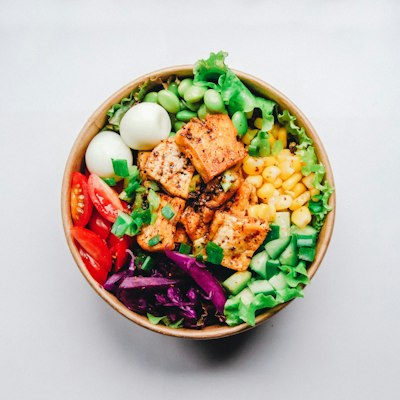
Colorful plant-based meal prep bowls

Ready to Go Plant-Powered?

Book a free nutrition consultation with the GymDietUSA plant-based team.

Book Free Consultation →
Medical Disclaimer: The information on this page is for educational purposes only and does not constitute medical or dietary advice. Individual nutritional needs vary significantly based on body composition, health status, activity level, and metabolic factors. Always consult a registered dietitian or qualified healthcare professional before making significant dietary changes — particularly if you are pregnant, breastfeeding, managing a chronic health condition, or considering vegan eating for children. Vitamin B12 deficiency can cause irreversible neurological damage; do not delay supplementation.