Science-backed, high-protein recipes built for real athletes. Every meal is calorie-counted, macro-balanced, and gym-tested.
Stabilize blood sugar and maximize muscle protein synthesis first thing. Aim for 25–30g protein at your first meal.
 ⭐ Most Popular
⏱ 10 min
⭐ Most Popular
⏱ 10 min
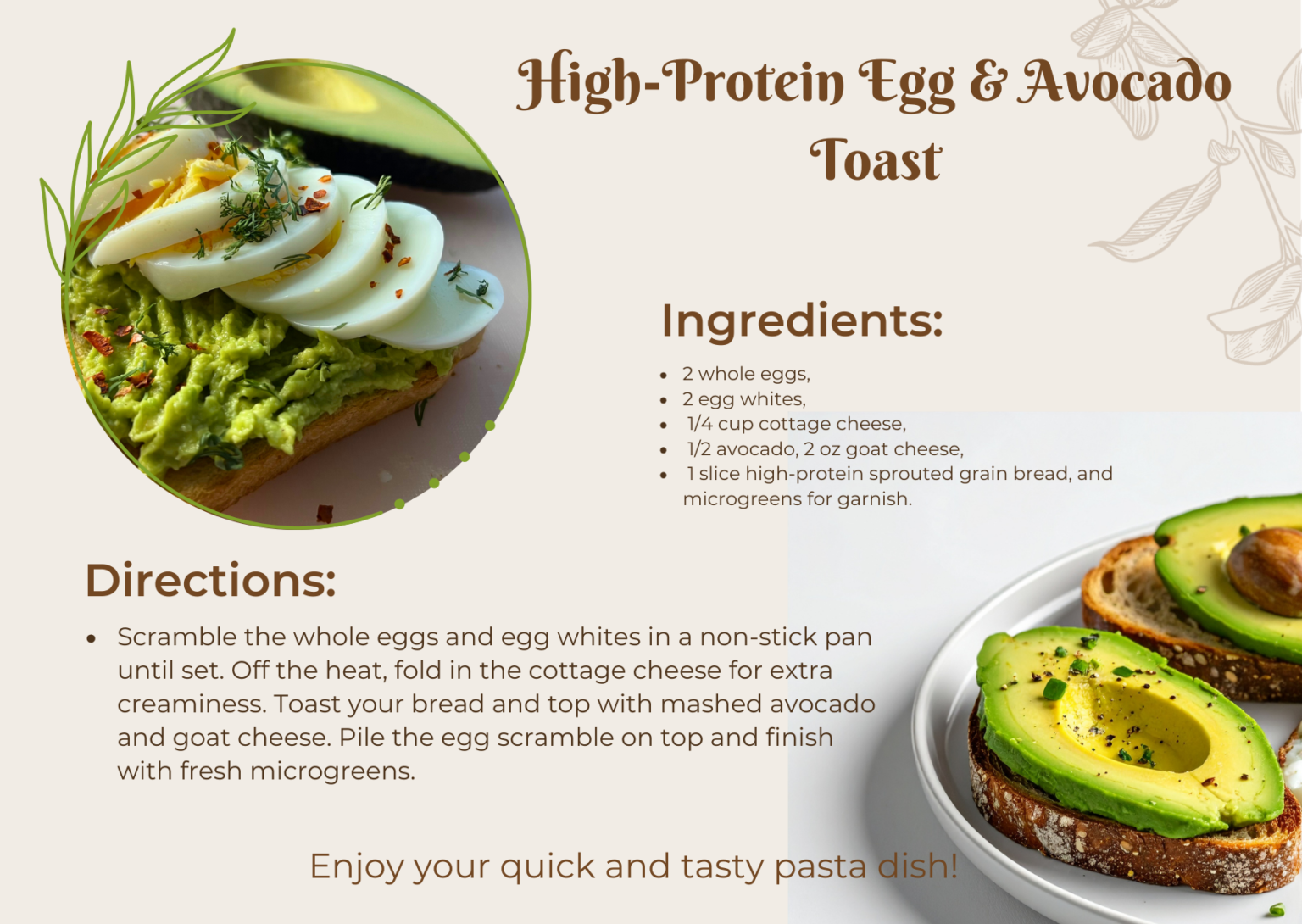
Whole grain toast layered with smashed avocado, two poached eggs, and hemp seeds. The gold standard pre-gym breakfast — ready in under 10 minutes.
 38g Protein
⏱ 15 min
38g Protein
⏱ 15 min
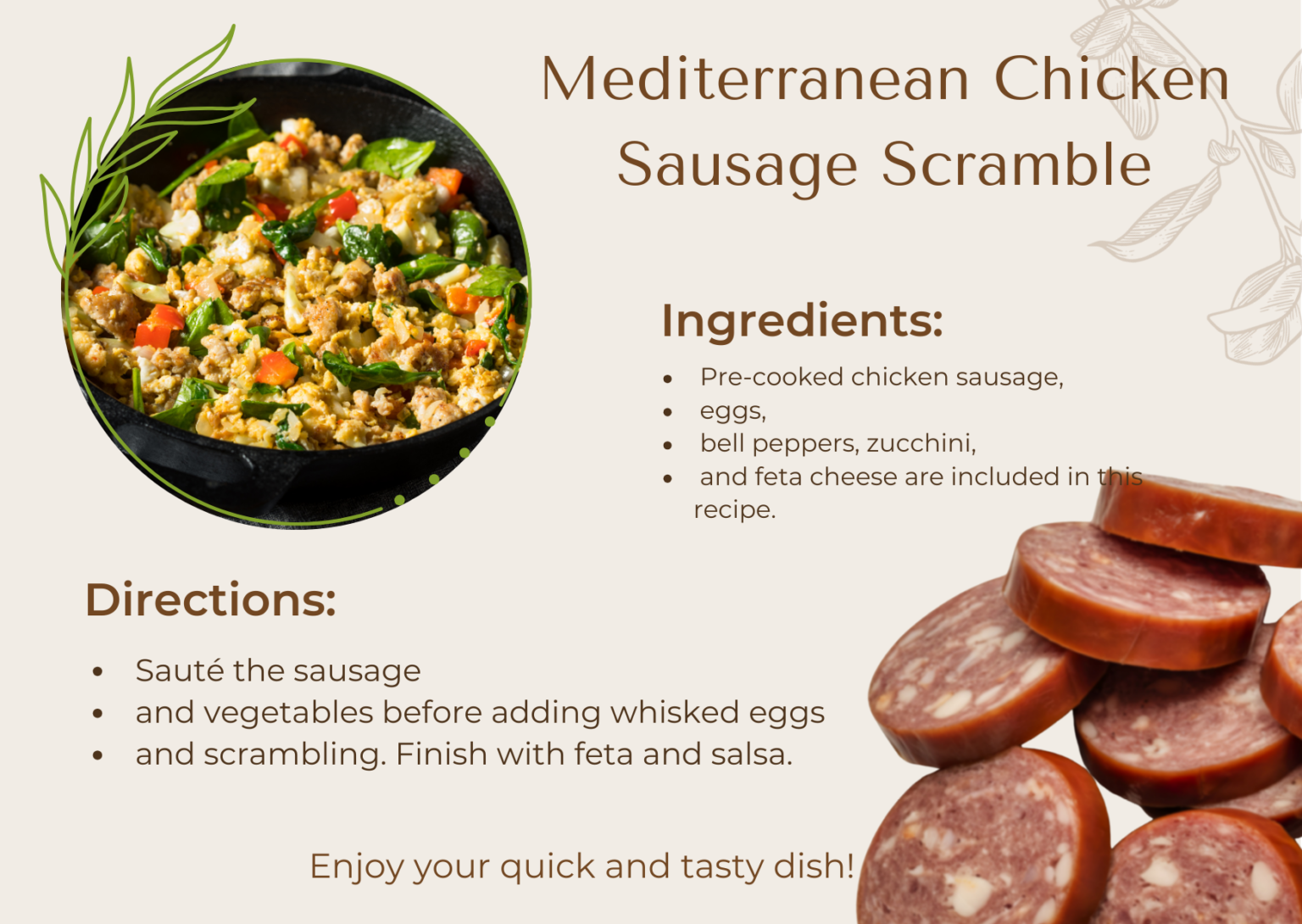
Lean chicken sausage with egg whites, roasted red peppers, spinach, and crumbled feta. A protein powerhouse.
 Low Fat
⏱ 5 min
Low Fat
⏱ 5 min
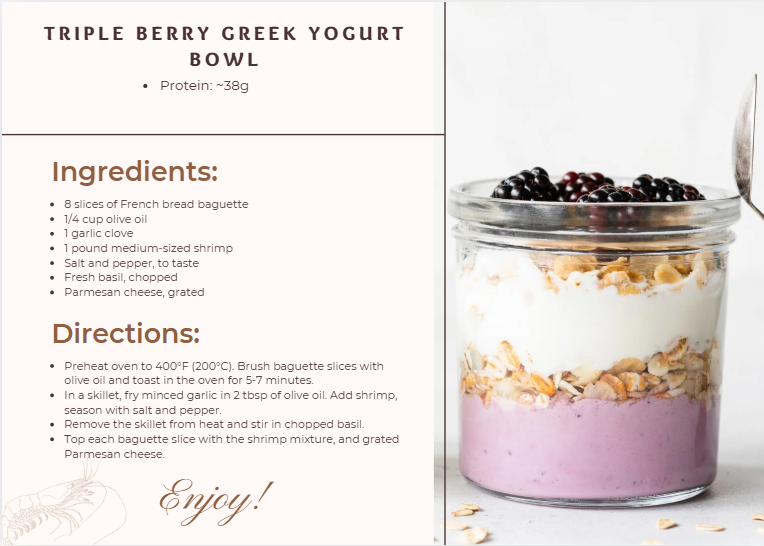
Full-fat Greek yogurt with blueberries, raspberries, strawberries, and raw honey. Simple, fast, antioxidant-rich.
 Meal Prep
⏱ 20 min
Meal Prep
⏱ 20 min
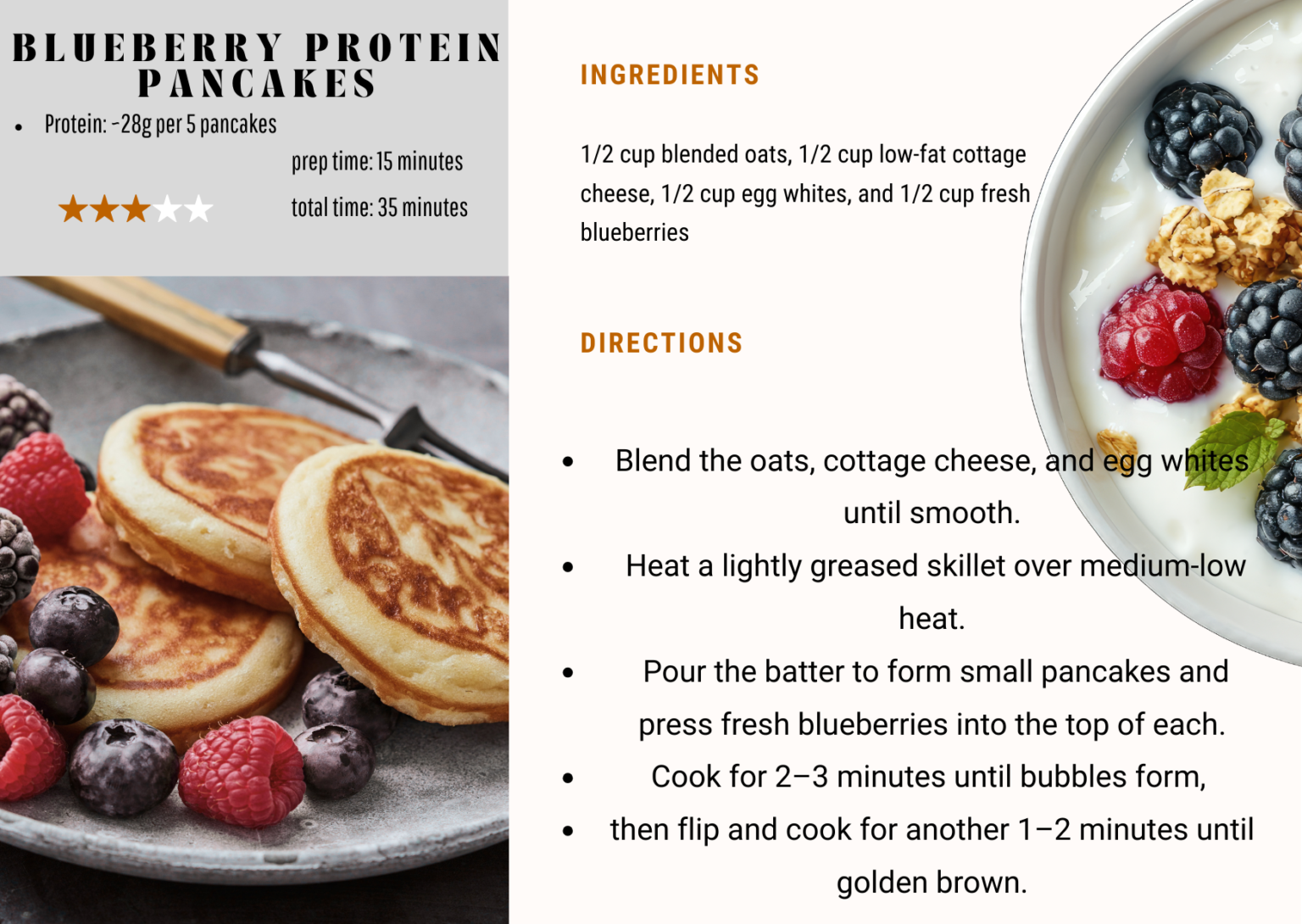
Oat-based pancakes blended with vanilla protein powder. Batch-cook on Sunday for the whole week.
Eat within 30–90 minutes after training. Lean proteins for repair + complex carbs to restore glycogen.
 Best Recovery
⏱ 15 min
Best Recovery
⏱ 15 min
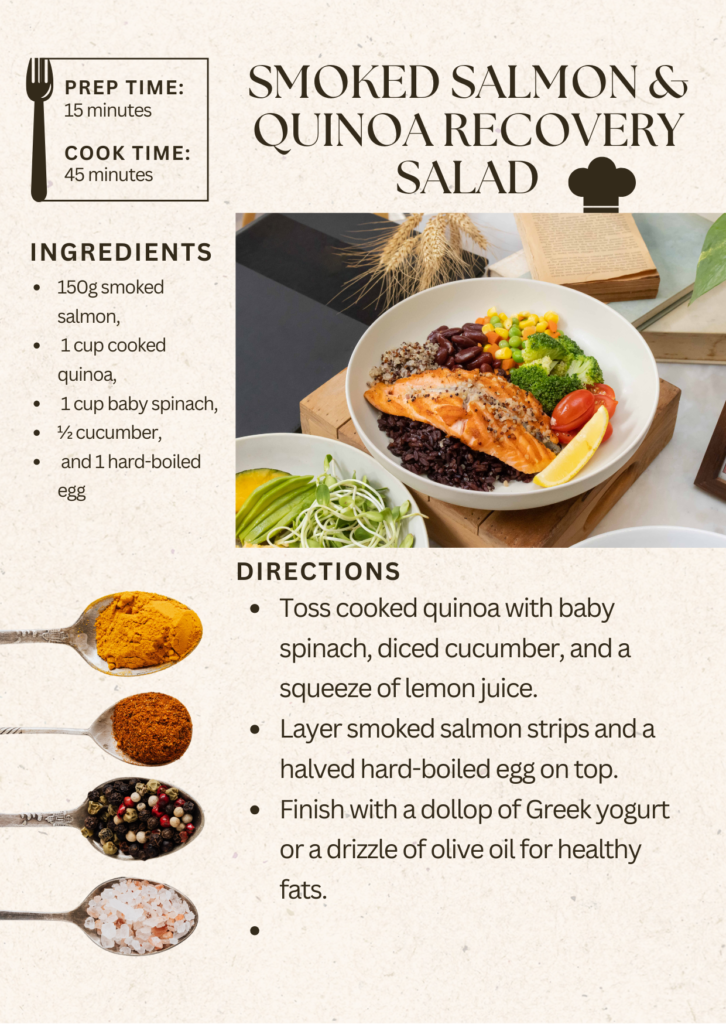
Omega-3 rich smoked salmon over protein-packed quinoa with cucumber, capers, and lemon-dill dressing. Anti-inflammatory and muscle-repairing.
 42g Protein
⏱ 20 min
42g Protein
⏱ 20 min
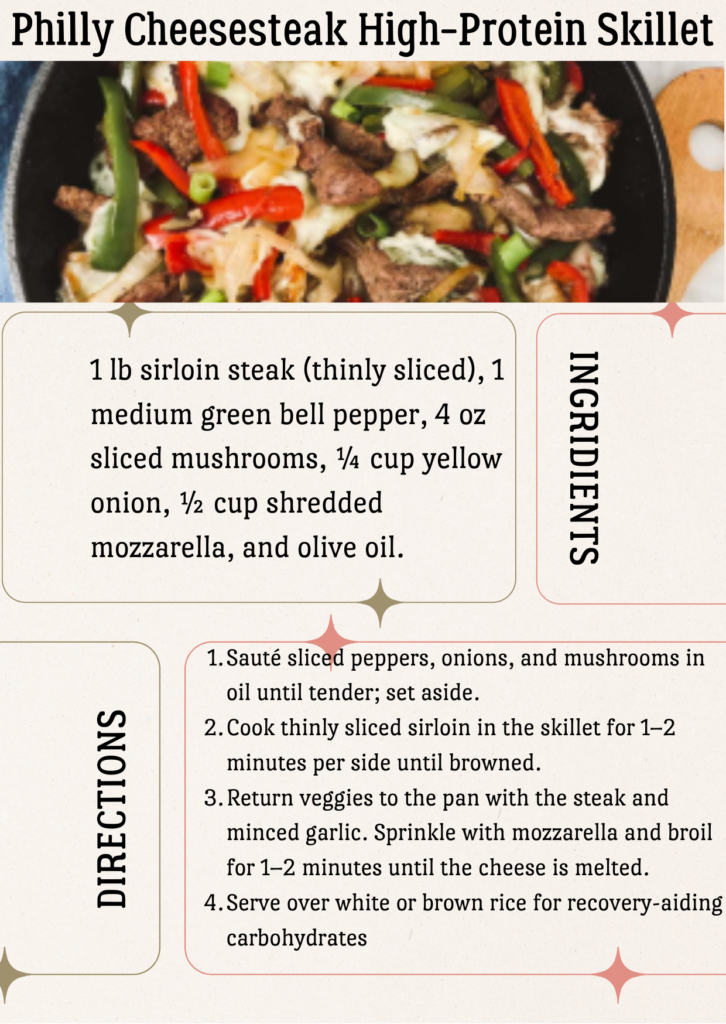
Lean sirloin strips with sautéed onions, bell peppers, and melted provolone over cauliflower rice. All the flavor, optimized macros.
 44g Protein
⏱ 25 min
44g Protein
⏱ 25 min
Grilled chicken breast over jasmine rice with roasted sweet potato, steamed broccolini, and tahini. The classic bodybuilder staple, elevated.
 Omega-3
⏱ 30 min
Omega-3
⏱ 30 min
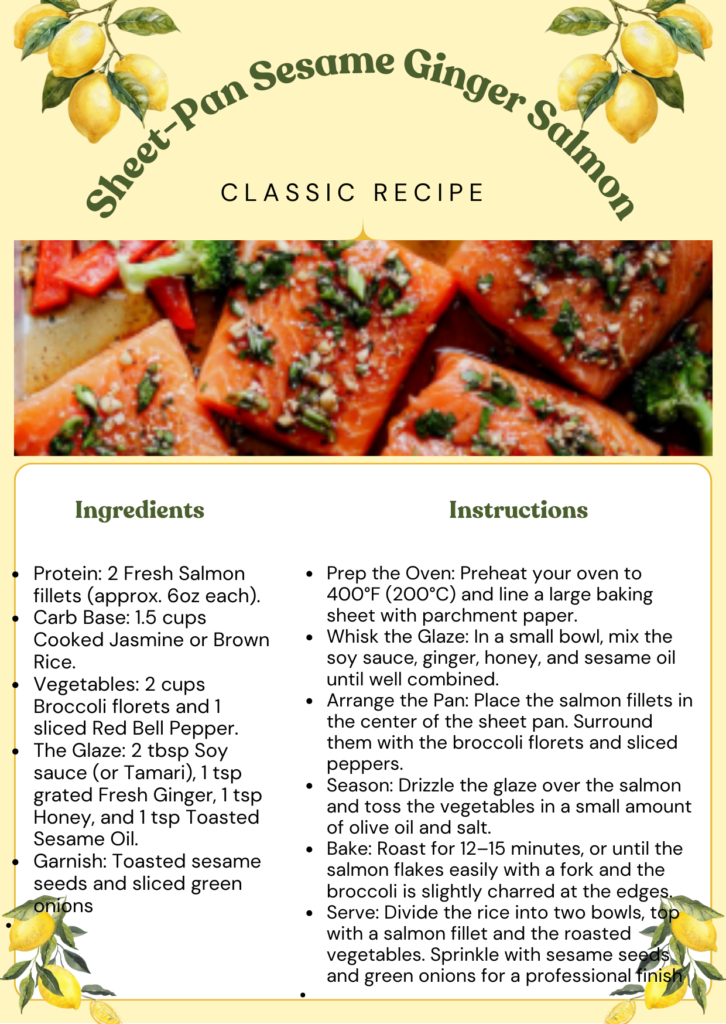
Wild-caught salmon glazed with sesame, ginger, and tamari. Roasted alongside broccoli and snap peas. One pan, maximum nutrients.
 Meal Prep
⏱ 25 min
Meal Prep
⏱ 25 min
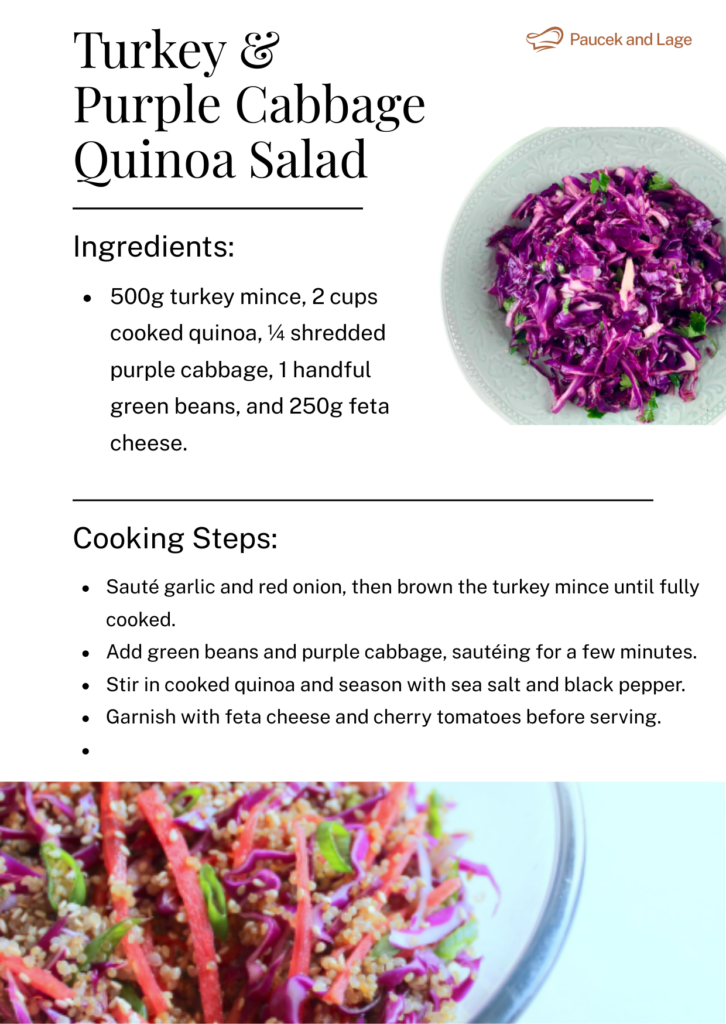
Ground turkey with antioxidant-rich purple cabbage, tri-color quinoa, and sesame-ginger dressing. Batch-prep friendly.
 Low Carb
⏱ 18 min
Low Carb
⏱ 18 min
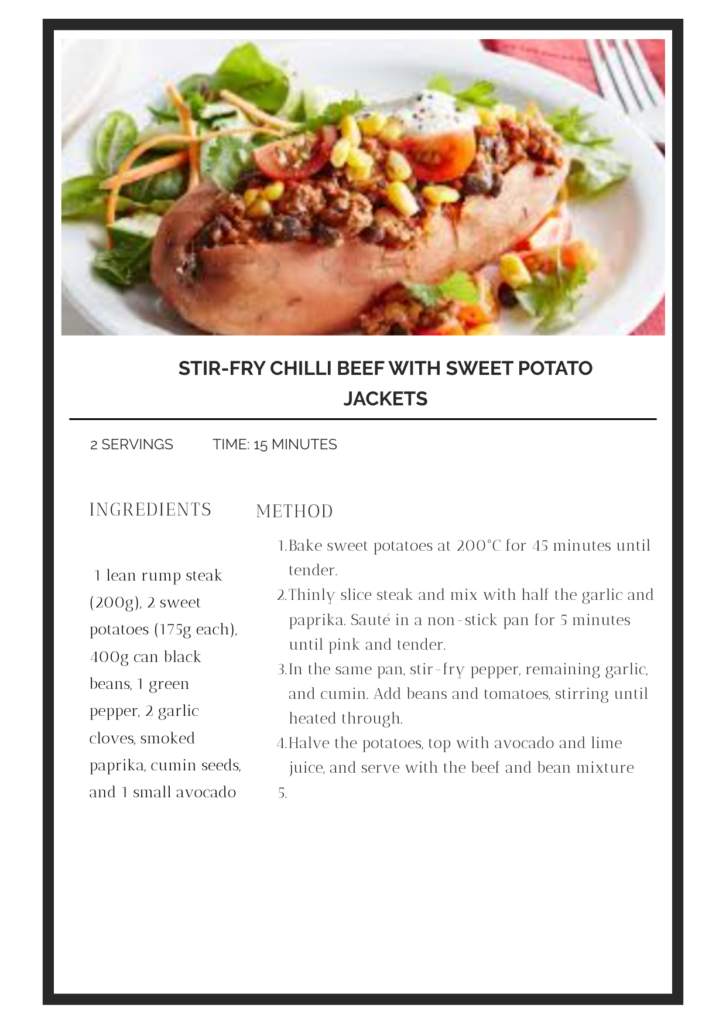
Diced chicken with zucchini, cherry tomatoes, garlic, and fresh basil in olive oil. Italian-inspired, gym-optimized.
Portable, balanced lunches with 25g+ protein to prevent the mid-afternoon energy crash.
 ⚡ 10 min
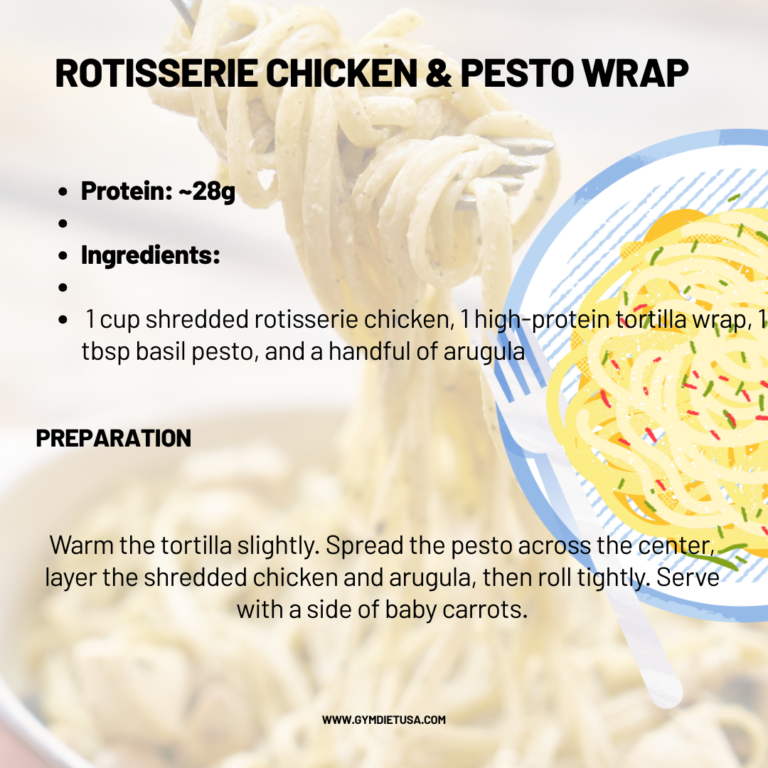
Grilled chicken, avocado, shredded romaine, and sriracha in a whole wheat wrap. Ready in 10 minutes flat.
 Low Carb
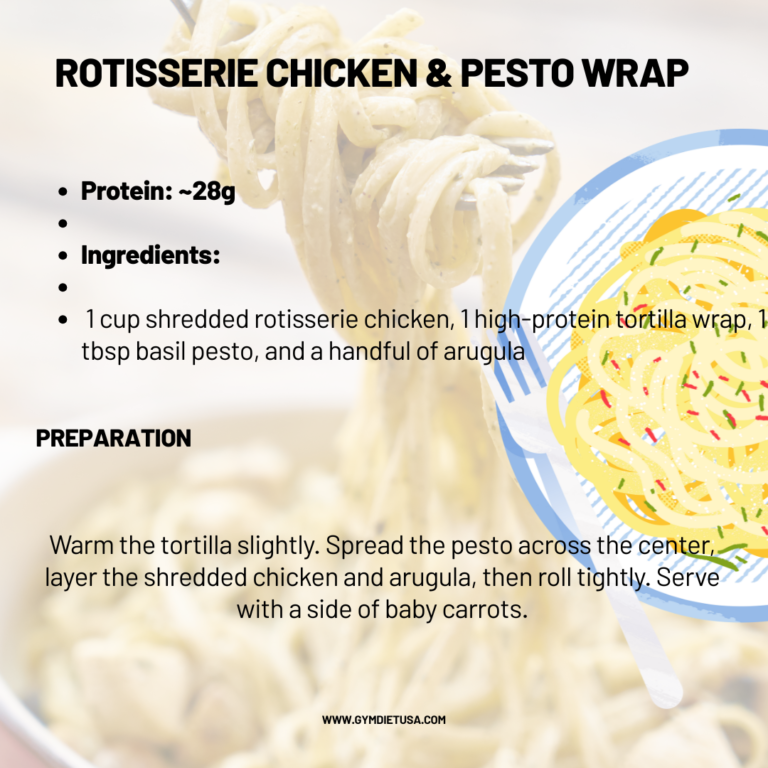
Albacore tuna with white beans, cherry tomatoes, red onion, and a lemon-herb vinaigrette. No cooking needed.
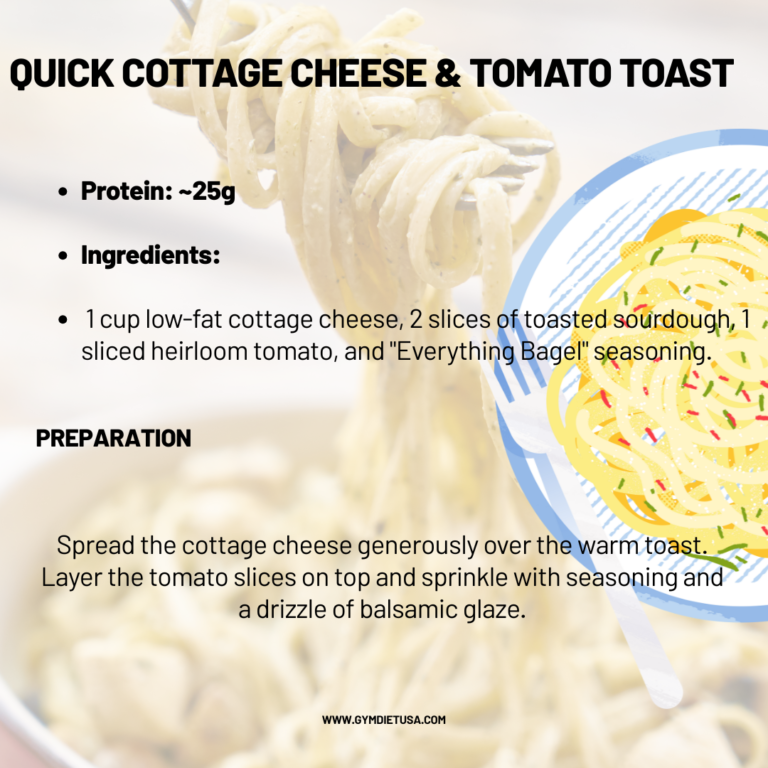 Meal Prep
Sliced turkey, roasted peppers, baby spinach, and creamy hummus on whole grain sourdough.
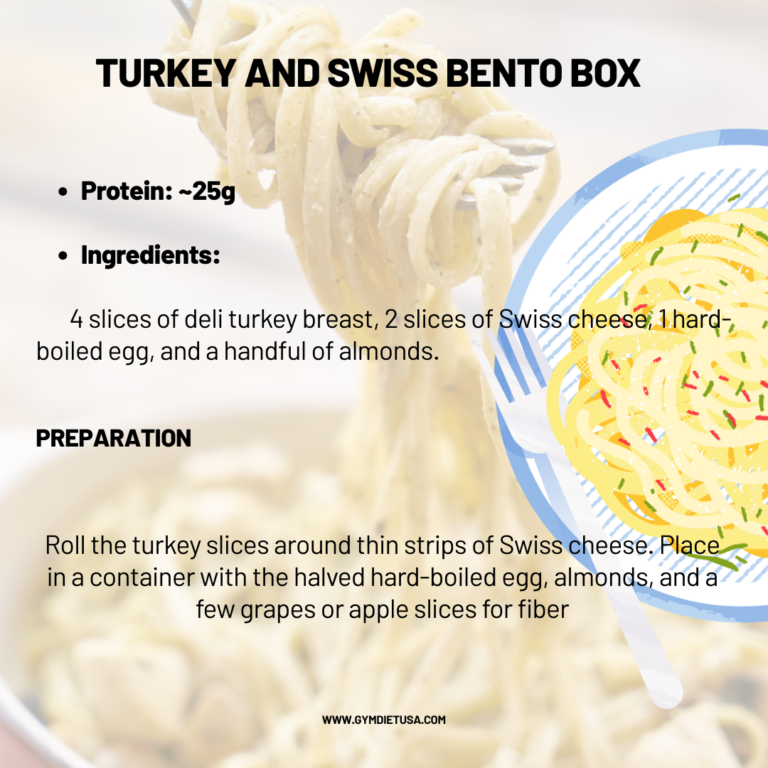 38g Protein
Oregano-marinated chicken over brown rice with tzatziki, cucumber, olives, and crumbled feta. Mediterranean perfection.
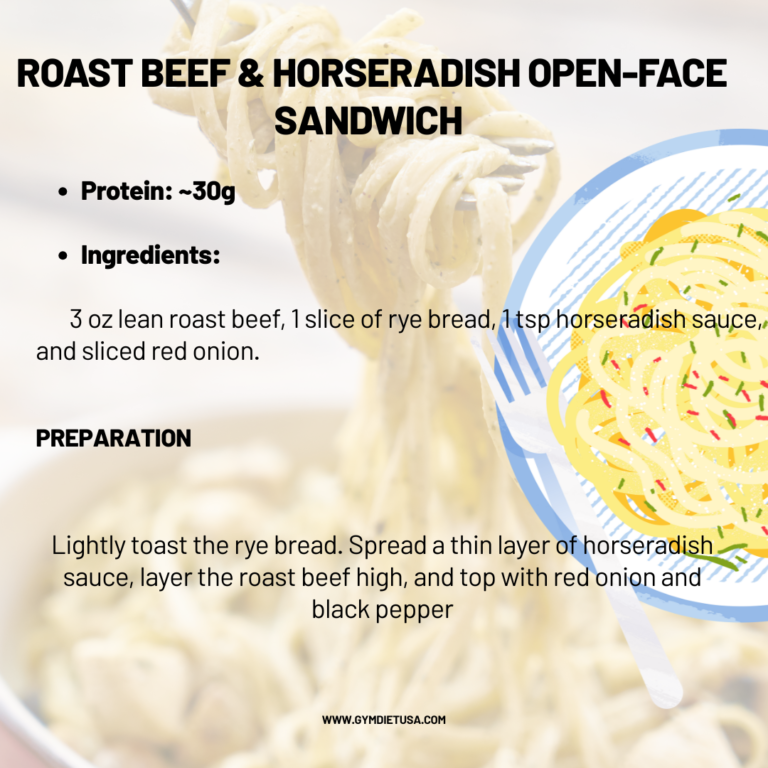 Vegan
Vegan
Green lentils with roasted cauliflower, sweet potato, chickpeas, and a lemon-tahini drizzle. 100% plant-based.
Functional fuel between meals — high protein, high fiber foods that prevent glucose spikes while supporting muscle recovery.
Crisp Honeycrisp slices with natural almond butter and a pinch of cinnamon. The perfect sweet, satisfying pre-workout snack.
Savory Greek yogurt with dill and garlic, served with crunchy cucumber and carrot batons. Slow-release protein that keeps you full for hours.
Air-fried chickpeas seasoned with sea salt and smoked paprika. Crunchy mid-day energy packed with plant protein and fiber.
Two brown rice cakes topped with mashed avocado, everything bagel seasoning, and a drizzle of hot sauce.
Every recipe is tagged by dietary preference. Find meals that match your exact nutritional approach.
High-fat, low-carb meals for ketogenic athletes. All under 20g net carbs per serving with full fat-fueled energy.
Browse Keto →Every recipe delivers a minimum 30g protein to maximize muscle building and support recovery throughout the day.
Browse High Protein →Carb-conscious meals that still fuel performance. Perfect for fat loss phases and cutting cycles.
Browse Low-Carb →Certified gluten-free recipes for athletes with sensitivities or anyone following a strict gluten-free diet.
Browse Gluten-Free →Muscle protein synthesis (MPS) is directly triggered by dietary protein, particularly leucine-rich sources like eggs, chicken, and dairy.
The CDC and sports nutrition bodies recommend distributing protein across 3–5 meals daily for optimal body composition.
Learn how to batch-cook an entire week of gym meals in under 2 hours. Shopping lists, storage tips, and a weekly prep schedule included.
Read the Guide →Find exactly how many calories and grams of protein, carbs, and fats you need daily based on your body, goal, and activity level.
Calculate My Macros →Plug in your calorie and macro targets and get a full week of custom meals, snacks, and recipes built automatically around your numbers.
Build My Plan →All recipes at GymDietUSA are built on evidence from these authoritative institutions.
Harvard's evidence-based framework for building balanced, performance-supporting meals every day.
↗Peer-reviewed consensus on protein timing, meal frequency, and sports supplementation for athletes.
↗The USDA's framework for daily food group targets and portion guidance for active Americans.
↗Practitioner-written nutrition guidance for active individuals, gym-goers, and competitive athletes.
↗These recipes are only as powerful as the calorie target behind them. Get your personalized daily targets in seconds — then build your perfect plan.