Muscle Building Diet Plan for Beginners
Everything you need to know about eating for muscle growth from calorie targets and macros to the best foods and sample meal plans. Science-backed, beginner-friendly, and results-driven.

What Is a Muscle Building Diet Plan?
A muscle building diet plan for beginners is a structured approach to eating that gives your body the right fuel to grow lean muscle tissue after resistance training. Unlike random eating, it focuses on three pillars: calorie surplus, adequate protein, and nutrient timing.
When you lift weights, you create microscopic tears in your muscle fibers. Your body repairs and rebuilds them slightly thicker and stronger but only if you supply the right building blocks through food. Without proper nutrition, even the best workout program will deliver disappointing results.
For beginners, the most important concept is the caloric surplus consuming slightly more calories than you burn daily. Research published by the National Institutes of Health (NIH) suggests a surplus of 250–500 calories per day is optimal for lean muscle gain without excessive fat storage.
Your total daily calorie target depends on your Basal Metabolic Rate (BMR) and activity level. A beginner who trains 3–4 days per week typically needs 16–18 calories per pound of body weight to start gaining muscle. You can also explore our 7-day sample meal plan below to see exactly how this looks in practice.
-
Protein Importance40%
-
Carbohydrates35%
-
Healthy Fats25%
Daily for Gains
Best Foods for Muscle Building Beginners
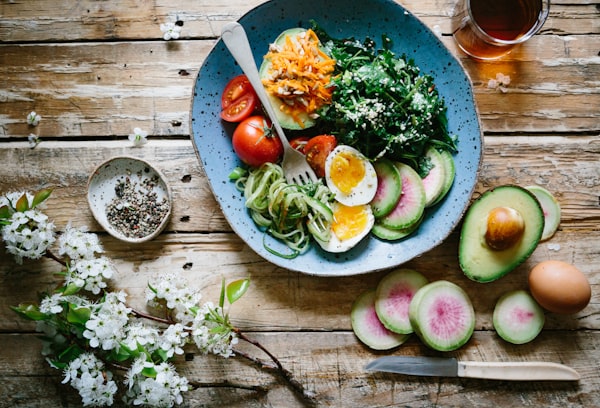
Not all foods are created equal when it comes to packing on lean muscle. These are the top science-backed choices ranked by protein quality, bioavailability, and nutrient density.

Chicken Breast
The gold standard of muscle building foods. Chicken breast delivers high-quality complete protein with all essential amino acids. It's low in fat, versatile, and affordable — making it the #1 staple for beginner bodybuilders worldwide.
Whole Eggs
Eggs contain all 9 essential amino acids and are one of the most bioavailable protein sources on Earth. The yolk provides leucine the most critical amino acid for triggering muscle protein synthesis.
Greek Yogurt
Greek yogurt is unique because it contains both fast-digesting whey and slow-digesting casein protein. This combination makes it ideal as a pre-sleep snack to sustain muscle protein synthesis throughout the night.
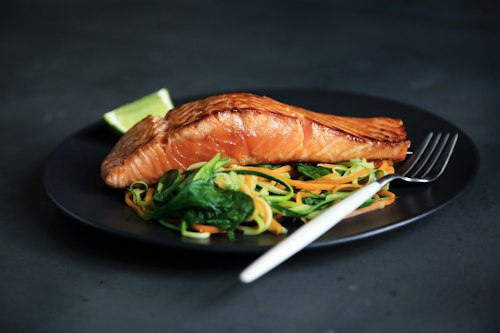
Salmon & Fatty Fish
Beyond protein, salmon provides omega-3 fatty acids that reduce exercise-induced inflammation and muscle soreness. Studies show omega-3s can directly enhance muscle protein synthesis, accelerating your recovery between sessions.
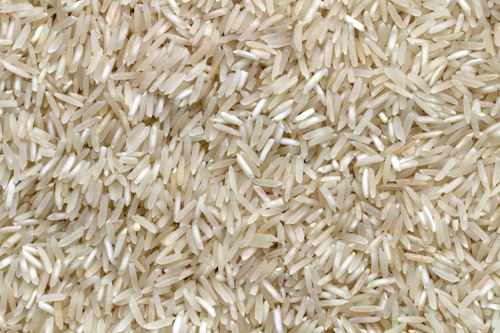
Brown Rice & Oats
Complex carbohydrates are the primary fuel for resistance training. Brown rice and oats replenish muscle glycogen stores, enabling you to train harder and longer. Eat them pre-workout for peak performance or post-workout for rapid recovery.
Legumes & Cottage Cheese
Lentils, chickpeas, and black beans are plant-based protein powerhouses. Cottage cheese is another hidden gem it's packed with casein protein and calcium, both critical for muscle function and overnight repair.
Protein Content Comparison Chart
| Food Source | Protein per 100g | Calories | Best Time to Eat | Priority |
|---|---|---|---|---|
| Chicken Breast (grilled) | 31g | 165 kcal | Post-workout / Lunch | Essential |
| Whole Eggs | 13g (per 2 eggs) | 147 kcal | Breakfast / Any Time | Essential |
| Salmon (wild-caught) | 25g | 208 kcal | Dinner | Essential |
| Greek Yogurt (plain) | 10g | 59 kcal | Pre-sleep / Snack | Recommended |
| Cottage Cheese | 11g | 98 kcal | Pre-sleep / Snack | Recommended |
| Lentils (cooked) | 9g | 116 kcal | Lunch / Dinner | Optional |
| Brown Rice (cooked) | 2.6g | 111 kcal | Pre/Post-workout | Recommended |
7-Day Muscle Building Meal Plan for Beginners
A practical, ready-to-follow weekly meal plan targeting 2,800–3,200 calories and 160–200g of protein daily. Adjust portions based on your body weight and calorie needs.
Muscle Building Diet: Frequently Asked Questions
Get clear, science-based answers to the most common questions beginners have about muscle building nutrition.
The widely accepted recommendation for muscle building is 0.7–1 gram of protein per pound of body weight (or 1.6–2.2g per kg). For a 180-pound beginner, this translates to approximately 126–180 grams of protein per day.
According to a meta-analysis published in the British Journal of Sports Medicine, protein intakes above 1.62g/kg/day provided no additional muscle-building benefits. Spreading your protein across 4–6 meals maximizes muscle protein synthesis throughout the day.
- Beginner (under 6 months training): 0.7–0.8g per pound
- Intermediate (6–24 months): 0.8–1.0g per pound
- Advanced (2+ years): 1.0–1.2g per pound
Both matter, but post-workout nutrition has a slight edge. The "anabolic window" the 30–60 minutes immediately after training — is when your muscles are primed to absorb nutrients and begin repair.
Pre-workout (1–2 hours before): Eat complex carbs and moderate protein. Example: oatmeal with a scoop of protein powder, or chicken with rice.
Post-workout (within 30–45 minutes): Consume fast-digesting protein + simple carbs. Example: whey protein shake with a banana, or chicken with white rice.
Research from the National Strength and Conditioning Association (NSCA) confirms that total daily protein intake matters more than timing but optimizing both gives you a clear edge.
Supplements are never a substitute for a solid diet, but a few are genuinely backed by strong evidence:
- Creatine Monohydrate The most researched sports supplement. Increases strength, power, and muscle volume. Take 3–5g daily with water.
- Whey Protein A convenient way to hit your daily protein targets. Best consumed post-workout or between meals.
- Vitamin D3 + Magnesium Critical for testosterone production and muscle function. Most people are deficient.
- Omega-3 Fish Oil — Reduces inflammation and supports muscle protein synthesis.
Skip expensive proprietary blends and stick to these proven basics. For a detailed supplement guide, visit Examine.com the gold standard for unbiased supplement research.
Absolutely yes but it requires more planning. Plant-based proteins are generally less bioavailable than animal proteins, so you may need to consume slightly more total protein (aim for the higher end: 1g per pound of bodyweight).
Top plant-based muscle building foods include:
- Tofu & Tempeh 15–19g protein per 100g
- Edamame & Soy Complete protein source
- Lentils & Chickpeas High in protein and complex carbs
- Hemp & Pea Protein powder Great supplement options
- Seitan (wheat gluten) Up to 25g protein per 100g
Combine different plant proteins throughout the day to ensure you get all 9 essential amino acids. Also consider B12 supplementation if you follow a fully vegan diet.
The goal is a "lean bulk" a modest calorie surplus that maximizes muscle gain while minimizing fat gain. Research recommends aiming for a surplus of 200–350 calories above your maintenance level for the most efficient lean muscle gain.
To find your starting point:
- Calculate your TDEE (Total Daily Energy Expenditure) using an online calculator
- Add 250–350 calories to that number
- Track your weight weekly — aim to gain 0.25–0.5 lbs per week
- Adjust calories up or down by 100–150 based on results
If you're gaining more than 1 pound per week, reduce calories slightly. Slower is better excess fat gained during a bulk means more time spent cutting later. For personalized calorie calculations, use the Calorie Calculator.
Hydration is critical and often severely underrated in muscle building. Muscle tissue is approximately 75% water. Even mild dehydration (2% of body weight) can reduce strength output by up to 10% and impair recovery significantly.
General guidelines:
- Drink at least 0.5–1oz of water per pound of body weight daily
- Add an extra 16–24oz for every hour of training
- Check urine color pale yellow = well hydrated
- Electrolytes (sodium, potassium, magnesium) are important during intense training sessions
Pro Nutrition Tips for Maximum Muscle Growth
These advanced strategies separate beginners who plateau after 3 months from those who make consistent year-round progress.
Spacing protein intake evenly throughout the day (every 3–4 hours) keeps muscle protein synthesis elevated. Each meal should include at least 20–40g of quality protein. This is supported by the nutrient timing research from top sports nutrition scientists.
Consuming 30–40g of casein protein (cottage cheese, Greek yogurt, or casein powder) before bed sustains overnight muscle protein synthesis for 6–8 hours while you sleep. This simple hack can add significant muscle over months of consistent application.
You cannot manage what you don't measure. Use a free app like MyFitnessPal to track calories and macros weekly (not obsessively daily). Review every Sunday — if your weight isn't moving in the right direction, adjust calories by 150–200 per day.
Vitamins and minerals are co-factors in thousands of metabolic reactions including muscle repair. Fill half your plate with colorful vegetables and fruits. Key nutrients: zinc (testosterone), magnesium (muscle relaxation), and vitamin C (collagen synthesis). Visit our supplements FAQ for more details.
Growth hormone the body's primary muscle-building hormone — is primarily released during deep sleep stages (stages 3 and 4). Poor sleep reduces GH secretion by up to 70% and dramatically increases cortisol, which breaks down muscle tissue. Sleep is non-negotiable nutrition.
As you get stronger and lift heavier, your nutritional requirements increase. Reassess your calorie targets every 4–6 weeks. A 10% increase in training volume may require a corresponding adjustment in carbohydrate and total calorie intake to continue making progress.
Ready to Start Building Muscle Today?
Download your free 7-day muscle building meal plan, calorie calculator worksheet, and beginner's shopping list — everything you need to get started this week.
View Full Meal Plan Read FAQ