Keto Diet Plan for Gym-Goers: Fat Loss & Muscle (2026) | GymDietUSA
🥑 Complete Ketogenic Guide USA 2026

Keto Diet Planfor Fat Loss

Stop burning sugar. Start burning fat. The complete beginner-to-advanced ketogenic diet guide for US gym-goers with a free 7 day meal plan, full food list, and exact macros.
🔥 Rapid Fat Loss 💪 Muscle Preservation 🧠 Mental Clarity 📉 Appetite Suppression 🩺 Blood Sugar Control
<50g
Carbs Per Day
70%
Calories from Fat
2–4
Days to Ketosis
2–4 lbs
Avg. Week 1 Loss
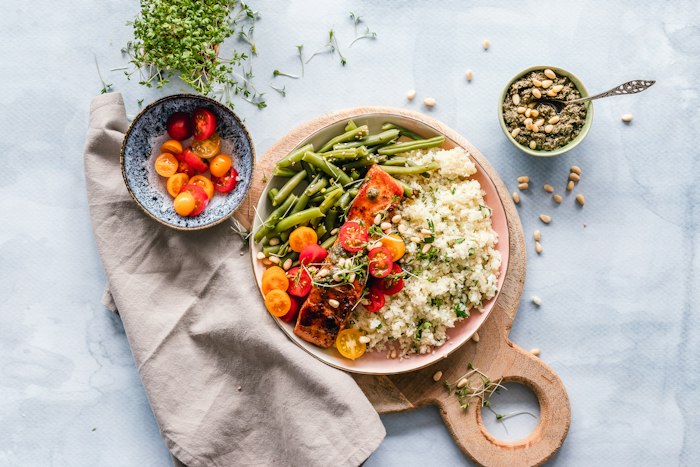
Keto-friendly foods including avocado, salmon, eggs and nuts
ketosis
Your body burns fat for fuel
🥑 Healthy Fats: 70%
🧬 Net Carbs: under 50g/day
The Science

How Keto Worksfor Weight Loss

The ketogenic diet triggers a metabolic switch from glucose-burning to fat-burning. Here is exactly what happens in your body when you go keto.

1

Carbs Are Restricted — Glucose Runs Out

By dropping carbohydrate intake below 50g per day, your body exhausts its stored glycogen (glucose reserves) in the liver and muscles typically within 1–2 days.

2

Ketosis Is Triggered Fat Becomes Fuel

With no glucose available, the liver converts stored body fat into ketone bodies (beta-hydroxybutyrate, acetoacetate). These ketones power the brain, muscles, and organs making fat your primary fuel source.

3

Appetite Is Naturally Suppressed

Ketones and high fat intake directly reduce hunger hormones (ghrelin) and increase satiety hormones (CCK, PYY). Most keto dieters naturally eat less without counting calories.

4

Rapid Fat Burning Body & Belly Fat

Once fat-adapted, your body becomes highly efficient at burning its own fat reserves including stubborn visceral (belly) fat. Insulin levels drop, removing the hormonal block on fat release.

5

Initial Water Weight Drops Quickly

The first 3–7 days typically show rapid weight loss of 2–5 lbs — mostly water weight as glycogen is depleted. Each gram of glycogen stores 3g of water, so emptying glycogen stores drops water weight fast.
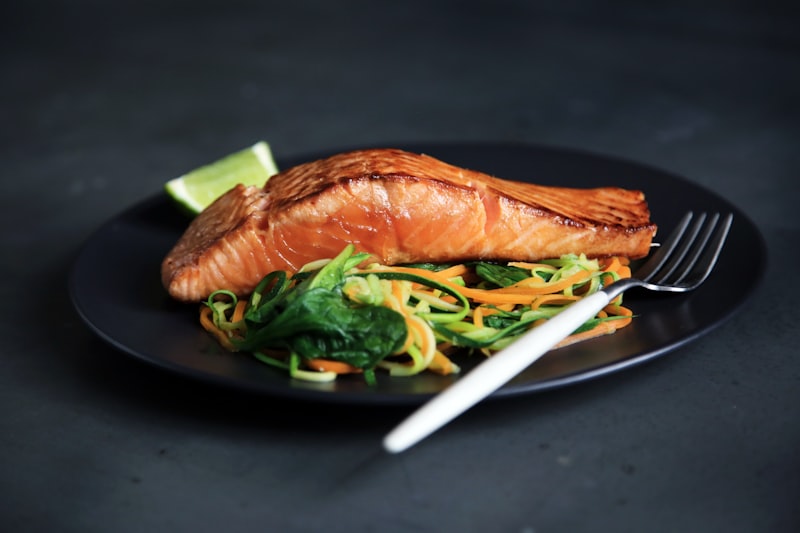
Keto diet foods and fat burning nutrition
🧬
Fat-Adapted in 4–6 Weeks
After full keto-adaptation, many athletes report more stable energy and significantly reduced body fat without calorie counting.
Week by Week

What Happens to Your Bodyin the First 4 Weeks of Keto

Understanding each stage prevents you from quitting too early. The biggest results come after the adaptation window.

DAYS 1–3
Glycogen Depletion
Your body rapidly burns through stored glycogen. You lose 2–5 lbs of water weight. Energy dips as your brain adjusts to lower glucose.
⚠️ Expect: Low Energy
DAYS 4–7
Ketosis Begins
Ketone production ramps up. "Keto flu" symptoms may peak (headaches, fatigue, irritability). Stay hydrated and increase electrolytes.
💧 Key: Electrolytes
WEEK 2
Adaptation Phase
Keto flu fades. Fat loss accelerates. Appetite drops noticeably. Mental clarity begins to improve. Cravings for carbs reduce significantly.
📉 Fat Loss Starts
WEEK 3–4
Fat-Adapted State
Full ketosis. Energy is stable throughout the day. Gym performance normalizes. Hunger is suppressed. Consistent fat loss continues week over week.
🔥 Peak Fat Burn
WEEK 5+
Optimized Performance
Your body is now fully fat-adapted. Stable energy 16+ hours without eating. Athletes often report strength and endurance gains on keto at this stage.
⚡ Maximum Results
Keto Macros

The Exact KetoMacro Ratios You Need

Getting macros right is the difference between entering ketosis and staying stuck. Here is the standard keto macro split and when to adjust it.

Standard
Keto
Ratios
Healthy Fats70%of calories
Protein20%of calories
Net Carbs10%of calories
Get My Exact Keto Macros →
🥑 Fats — Your New Fuel 65–75%

The foundation of keto. Healthy fats keep ketosis active and provide sustained energy without blood sugar spikes. Prioritize: avocado, olive oil, coconut oil, grass-fed butter, fatty fish, nuts, and full-fat dairy. Aim for mostly unsaturated fats with moderate saturated fats.

🥩 Protein — Muscle Guardian 20–25%

Critical to prevent muscle loss during fat burning. Aim for 0.7–1.0g of protein per pound of body weight. Overconsumption of protein can trigger gluconeogenesis (glucose creation from protein), potentially knocking you out of ketosis — so stay within range.

🥦 Net Carbs — Keep It Under 50g <50g

Net carbs = total carbs minus fiber. Most people enter ketosis below 30g net carbs daily. Fiber does not spike blood sugar or insulin, so it doesn't count toward your net carb limit. Load up on non-starchy vegetables for fiber, vitamins, and minerals.

💡 Use our free macro calculator to get your exact calorie and macro targets based on your current body weight, goal, and activity level → Calculate My Keto Macros

Complete Food List

Keto Food Listfor Beginners (2026)

Everything you can eat freely, eat in moderation, and must avoid on a ketogenic diet. Tap each category to explore.

🍗
Chicken Breast & Thighs
Versatile, lean protein staple. Grill, bake, or air-fry. Pairs with any keto vegetable.
0g net carbs
🥩
Beef (Grass-Fed)
Rich in CLA, zinc, and B12. Ground beef, ribeye, and steak are all keto staples.
0g net carbs
🐷
Pork & Bacon
Bacon is a keto favorite. Choose uncured, no-sugar-added varieties.
0–1g net carbs
🐟
Salmon
Fatty fish loaded with omega-3s. Exceptional for inflammation reduction and heart health.
0g net carbs
🐟
Mackerel & Sardines
Among the highest omega-3 sources available. Budget-friendly and shelf-stable.
0g net carbs
🥚
Whole Eggs
The perfect keto food. High in protein, healthy fat, and every essential nutrient. Eat the yolk.
0.6g net carbs
🦃
Turkey Breast
Lean, versatile protein. Excellent for meal prep — slice and store for quick keto meals.
0g net carbs
🦐
Shrimp & Seafood
Zero-carb protein. Shrimp cooks in minutes and absorbs any seasoning beautifully.
0g net carbs
🥑
Avocado
The ultimate keto superfood. Rich in potassium, fiber, and heart-healthy monounsaturated fats.
2g net carbs
🫒
Olive Oil (Extra Virgin)
Best for dressings and low-heat cooking. Loaded with anti-inflammatory polyphenols.
0g net carbs
🥥
Coconut Oil
Contains medium-chain triglycerides (MCTs) that convert directly to ketones — accelerates ketosis.
0g net carbs
🧈
Butter & Ghee
Grass-fed butter is a keto staple. Use for cooking, adding to coffee, or bulletproof recipes.
0g net carbs
🥜
Almond Butter
Natural, no-sugar-added only. Rich in vitamin E and magnesium. Great for snacking.
3g net carbs
🫙
MCT Oil
Extracted from coconut oil. The most ketogenic fat available — often added to coffee or shakes.
0g net carbs
🥬
Spinach & Kale
Mineral-dense leafy greens. Excellent sources of magnesium, iron, and vitamin K for keto electrolyte balance.
1–2g net carbs
🥦
Broccoli
Replaces rice and pasta on keto. Roast, steam, or rice it for a satisfying low-carb base.
4g net carbs
🫑
Bell Peppers
Highest in vitamin C. Eat raw for crunch or roast for sweetness. Red peppers are slightly higher in carbs — choose green for strictest keto.
3–5g net carbs
🥒
Zucchini & Cucumber
Zucchini noodles ("zoodles") are the #1 pasta replacement on keto. Cucumbers are hydrating and nearly carb-free.
2–3g net carbs
🫛
Asparagus
Rich in folate and vitamin K. A natural diuretic that reduces keto-related water retention.
2g net carbs
🍄
Mushrooms
Meaty texture makes them ideal keto meat extenders. Rich in B vitamins and selenium.
2g net carbs
🥗
Arugula & Lettuce
Base for any keto salad. Near-zero carbs with peppery flavor. Add olive oil and protein for a complete meal.
1g net carbs
🌿
Cauliflower
The most versatile keto vegetable. Rice it, mash it, or roast it a true low-carb staple.
3g net carbs
🧀
Cheddar, Mozzarella & Goat Cheese
Full-fat cheeses are high in fat, moderate in protein, and almost carb-free. Essential keto staples.
0–1g net carbs
🥛
Heavy Cream
Adds richness to sauces, soups, and coffee. Far lower in carbs than milk. Use instead of half-and-half.
0.4g net carbs
🫙
Cream Cheese
Ideal for keto desserts, fat bombs, and sauces. Full-fat only avoid light or whipped varieties.
1g net carbs
🍶
Greek Yogurt (Full-Fat)
Eat in small portions. High in protein and probiotics. Choose plain, full-fat with no added sugar.
4–5g net carbs
🧈
Grass-Fed Butter
Highest quality fat source. Rich in conjugated linoleic acid (CLA) which supports fat loss.
0g net carbs
🌰
Macadamia Nuts
The most keto-friendly nut — highest in fat and lowest in carbs. Buttery, filling, and delicious.
2g net carbs
🥜
Pecans & Walnuts
Rich in omega-3 (walnuts) and antioxidants. Perfect keto snack in 1-oz portions.
1–4g net carbs
🫘
Almonds
High in magnesium — crucial for preventing keto flu. Eat raw or as almond butter.
3g net carbs
🌱
Chia Seeds & Flaxseeds
Mostly fiber with excellent omega-3 content. Add to yogurt, shakes, or keto baking for texture.
1–2g net carbs
🎃
Pumpkin Seeds
High in magnesium and zinc. Eat roasted as a savory keto snack — great salad topper too.
4g net carbs
💧
Water
Drink 3–4 liters daily on keto. Electrolyte depletion is accelerated in ketosis — hydration is critical.
0g net carbs
Black Coffee
Boosts ketone production and fat burning. Drink plain or with heavy cream. Avoid milk or sugar.
0g net carbs
🍵
Unsweetened Tea
Green, black, herbal — all keto-approved. Antioxidant-rich and naturally caffeine-controlled.
0g net carbs
🥛
Unsweetened Almond Milk
Only 1g net carbs per cup. Use as a milk replacement in shakes, coffee, and keto cooking.
1g net carbs
Electrolyte Drinks (Sugar-Free)
Essential during keto adaptation. Look for sodium, potassium, and magnesium with zero added sugar.
0–2g net carbs
🍞
Bread, Pasta & Rice
The top keto offenders. Even "whole grain" versions spike blood sugar and immediately break ketosis.
45–60g net carbs
🥤
Soda & Sugary Drinks
A single can of regular soda contains 39g of sugar nearly your entire daily carb budget.
39–50g net carbs
🍌
Bananas, Apples & Most Fruits
Most fruits are high in fructose. Stick to small portions of berries only (raspberries, strawberries, blackberries).
20–30g net carbs
🥔
Potatoes, Corn & Peas
Starchy vegetables are carb-dense. Sweet potatoes, white potatoes, and corn are all keto-incompatible.
15–35g net carbs
🍰
Cakes, Candy & Ice Cream
Pure sugar and refined carbs. A single serving is enough to break ketosis for 24–48 hours.
30–70g net carbs
🫘
Beans, Lentils & Chickpeas
Despite being "healthy," legumes are too high in net carbs for standard keto. Save for maintenance phases.
20–35g net carbs
🍺
Beer & Sweet Alcohol
Beer is liquid bread. Wine in small amounts may be tolerated but can stall ketosis. Avoid cocktails with mixers.
10–20g net carbs
🥛
Regular Milk & Oat Milk
Lactose (milk sugar) and oat starch both spike insulin. Replace with unsweetened almond or coconut milk.
12–20g net carbs
Daily Rules

Keto DietRules & Daily Guidelines

Follow these proven daily guidelines to stay in ketosis, avoid common mistakes, and get maximum fat loss results.

50g

Keep Net Carbs Under 50g Per Day

Maximum 50g net carbs daily (total carbs minus fiber). Most people need under 30g to stay in deep ketosis. About 15g per meal across 3 meals leaves room for snacks.

🥦

Eat 5 Servings of Non-Starchy Vegetables

One serving = ½ cup cooked or 1 cup raw vegetables. Vegetables provide critical fiber, potassium, and magnesium that deplete quickly on keto. Include at least one serving at every main meal.

🥩

Consume at Least 60g of Protein Daily

Minimum 60g protein per day to prevent muscle loss. Aim for 0.7–1.0g per pound of body weight. Include a protein source at every meal. If still hungry after a meal, your snack should be a protein food.

💧

Drink at Least 64 oz (2 Liters) of Water Daily

Ketosis is diuretic you lose fluids and electrolytes faster than normal. Drinking 64+ oz daily prevents keto flu, supports kidney function, and keeps energy levels stable. Aim for 3+ liters if exercising.

🫙

Get 1,200mg of Calcium Per Day

A key mineral for bone health that requires attention on keto. Get calcium from full-fat dairy, leafy greens, and canned salmon (with bones). Supplement if dietary intake is consistently low.

🫐

Limit Fruit to 1 Cup of Berries Maximum

Most fruits are too high in fructose for keto. The exception is berries (raspberries, strawberries, blackberries) limit to 1 cup per day as a controlled sweet treat that doesn't break ketosis.
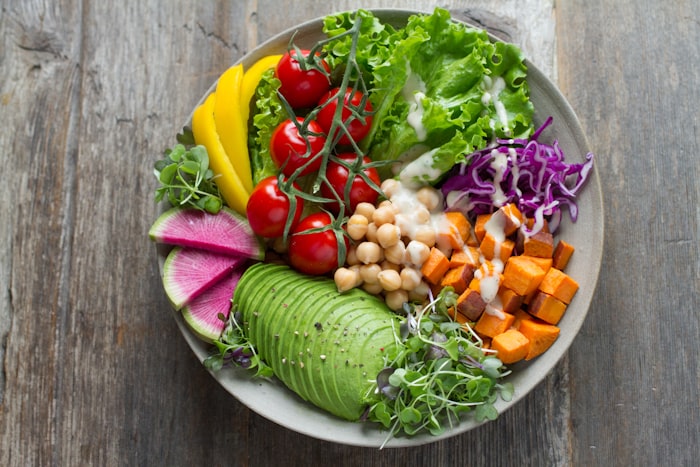
Keto meal prep with healthy fats, proteins and low-carb vegetables

💡 Pro Tip: Eat Protein First

At every meal, eat your protein food first. This ensures you never get too full for protein, which is the most critical macronutrient for preserving lean muscle mass on keto.

Free 7-Day Plan

7-Day KetoMeal Plan for Beginners

A practical, real-food keto week. All meals are under 50g net carbs daily, gym-performance ready, and built for the US food environment.

DAY 1
Kickoff Monday
~1,900 cal · ~22g net carbs
🍳
Breakfast
3-egg scramble with spinach, cheddar, and avocado + black coffee
~4g net carbs
🥗
Lunch
Grilled chicken thigh over arugula with olive oil, feta, and cucumber
~4g net carbs
🌰
Snack
1 oz macadamia nuts and 1 oz cheddar cheese
~2g net carbs
🍽️
Dinner
Baked salmon with roasted broccoli and garlic butter
~5g net carbs
DAY 2
Fat-Burn Tuesday
~2,050 cal · ~25g net carbs
🥚
Breakfast
Bulletproof coffee + 2 boiled eggs + ½ avocado with sea salt
~3g net carbs
🌯
Lunch
Tuna salad (mayo-based) in lettuce wraps with cucumber and jalapeño
~4g net carbs
🧀
Snack
Cream cheese fat bomb with almond butter (keto-approved)
~3g net carbs
🍽️
Dinner
Grass-fed beef burger patty (no bun) with sautéed mushrooms and zucchini
~6g net carbs
DAY 3
Keto Adapt Wednesday
~1,950 cal · ~20g net carbs
🧇
Breakfast
Keto waffles (almond flour + eggs + cream cheese) with berries
~6g net carbs
🥗
Lunch
Shredded chicken and cauliflower rice bowl with pesto and parmesan
~6g net carbs
🥜
Snack
Handful of walnuts + 2 slices salami
~2g net carbs
🍽️
Dinner
Pork tenderloin with roasted Brussels sprouts and herb butter sauce
~6g net carbs
DAY 4
Power Thursday
~2,100 cal · ~24g net carbs
🍳
Breakfast
Smoked salmon and cream cheese omelette with chives
~3g net carbs
🥙
Lunch
Turkey and avocado collard wrap with mustard and pepper jack cheese
~5g net carbs
🫙
Snack
Full-fat Greek yogurt (plain) with a few raspberries
~6g net carbs
🍽️
Dinner
Lamb chops with roasted asparagus and garlic-herb cauliflower mash
~7g net carbs
DAY 5
Gym Fuel Friday
~2,150 cal · ~26g net carbs
🥛
Breakfast
Keto protein shake (almond milk + MCT oil + whey protein) + boiled egg
~4g net carbs
🥗
Lunch
Cobb salad: chicken, bacon, hard-boiled egg, avocado, blue cheese dressing
~5g net carbs
🧀
Snack
String cheese + pumpkin seeds + celery with almond butter
~4g net carbs
🍽️
Dinner
Baked cod with lemon-herb crust, sautéed spinach, and roasted bell peppers
~7g net carbs
DAY 6
Weekend Flex
~2,050 cal · ~28g net carbs
🍳
Breakfast
Full keto fry-up: bacon, eggs, avocado, grilled tomato, sautéed mushrooms
~6g net carbs
🥩
Lunch
Ribeye steak with garlic butter + grilled zucchini and a side Caesar salad
~5g net carbs
🌰
Snack
Mixed nuts (macadamia, pecan, walnut) + 2 squares dark chocolate (85%+)
~5g net carbs
🍽️
Dinner
Chicken thighs in creamy pesto sauce with roasted broccoli and parmesan
~6g net carbs
DAY 7
Prep & Reset Sunday
~1,850 cal · ~22g net carbs
🥚
Breakfast
Egg muffins (baked eggs with bacon, spinach, and goat cheese)
~3g net carbs
🍲
Lunch
Keto chicken soup with zucchini noodles, celery, and bone broth
~5g net carbs
🥑
Snack
Avocado halves with pink salt and a squeeze of lime
~2g net carbs
🍽️
Dinner
Sheet-pan salmon + asparagus + cherry tomatoes with olive oil and herbs
~7g net carbs
Start Here

How to Start KetoStep by Step (Beginners)

Follow these five steps in order. Skipping step 1 is the #1 reason people fail keto in the first week.

01
Calculate Your Keto Macros
Set carbs at 5–10% of calories (20–50g/day), protein at 20–25% (0.7–1g per lb bodyweight), fat at 65–75%. Use our free macro calculator to get your exact numbers.
02
Clear Out Non-Keto Foods
Remove bread, pasta, rice, sugar, most fruits, cereals, and legumes from your kitchen. If it's not in your house, you won't eat it. Do a full pantry audit before starting.
03
Stock Keto-Approved Foods
Fill your fridge with eggs, meat, fish, full-fat dairy, low-carb vegetables, nuts, avocados, and healthy oils. Shop the store perimeter — that's where real food lives.
04
Reduce Carbs Gradually
Over 3–5 days, step down your carb intake toward 50g/day to minimize keto flu symptoms. Going cold turkey causes more severe adaptation symptoms and higher dropout rates.
05
Track Macros for 2 Weeks
Use a food tracking app for the first 14 days to verify your actual intake. Most beginners underestimate hidden carbs in sauces, dressings, and packaged foods tracking reveals and fixes this.
Common Challenges

Keto Flu & CommonProblems Solved

These are the most common reasons keto beginners quit in the first two weeks — and exactly how to power through each one.

🤕
Keto Flu (Headaches, Fatigue)
The most common keto side effect in week 1. Caused by rapid electrolyte loss sodium, potassium, and magnesium all drop quickly when carbs are cut.
✅ Fix: Add sea salt to food, eat avocados and leafy greens, drink bone broth, and supplement magnesium (200–400mg daily).
😴
Low Energy & Brain Fog
Normal during the first 7–14 days as your brain transitions from glucose to ketone fuel. Often described as "the carb withdrawal phase."
✅ Fix: Stay consistent, add MCT oil to coffee for a quick ketone boost, and give the adaptation process 2–4 full weeks.
😤
Constipation
Reduced fiber intake from cutting grains and legumes can slow digestion, especially in the first 1–2 weeks of keto.
✅ Fix: Load up on low-carb, high-fiber vegetables (broccoli, spinach, zucchini). Add chia seeds and flaxseeds. Drink more water.
💨
Keto Breath
A fruity or acetone-like breath odor caused by acetone one of the ketones your body produces. It's a sign you're in ketosis, but can be socially uncomfortable.
✅ Fix: Stay hydrated, practice good oral hygiene, and chew sugar-free gum. The smell typically fades after full fat-adaptation (4–6 weeks).
📉
Hitting a Plateau
Fat loss stalls after initial rapid weight loss. Often caused by hidden carbs in sauces, dairy overuse, or calorie overconsumption even on keto.
✅ Fix: Audit hidden carbs in sauces and dressings, recalculate macros if you've lost significant weight, and add intermittent fasting to break through.

💊 The Keto Electrolyte Trio

🧂
Sodium
Sea salt, bone broth
🍌
Potassium
Avocado, leafy greens
🌰
Magnesium
Almonds, pumpkin seeds
People Also Ask

Keto DietFAQs — Answered

Restricting carbs below 50g/day depletes your glycogen stores, forcing your body into ketosis a state where fat is converted to ketones for energy. This makes your body burn stored fat 24/7, reduces appetite, and removes the hormonal barrier (insulin) that blocks fat release from fat cells.
Standard keto allows 20–50g of net carbs per day (net carbs = total carbs minus fiber). Most people need under 30g to maintain deep ketosis. Beginners may enter ketosis at 50g; very active individuals may tolerate slightly more.
Most people enter ketosis within 2–4 days of restricting carbs under 50g/day. Fasting or exercise can accelerate entry into ketosis. Full fat-adaptation (where your body is optimally running on fat) takes 4–6 weeks.
Yes after the adaptation period. The first 2–4 weeks may feel sluggish as your body adjusts to fat-fueled training. After adaptation, most gym-goers report stable energy, reduced body fat, and preserved muscle mass especially when protein intake is adequate. See our Muscle Building Plan for combining keto with strength training.
Keto flu = temporary symptoms (fatigue, headaches, irritability) in the first week caused by electrolyte loss. Prevent it by: adding sea salt to food, eating avocados and leafy greens daily, drinking bone broth, taking 200–400mg magnesium, and staying hydrated with 3+ liters of water per day.
Yes, with adequate protein. Muscle building requires protein synthesis keto doesn't prevent this. However, some advanced athletes use targeted keto (small carb intake around workouts) or cyclical keto (higher carb refeeds on training days) to optimize muscle growth while staying mostly in ketosis.
No. All keto diets are low-carb, but not all low-carb diets are keto. Keto specifically requires reaching ketosis a metabolic state. Standard low-carb diets (100–150g carbs/day) reduce carbs but don't trigger ketosis. Keto requires under 50g net carbs daily. See our Low-Carb Diet page to compare.
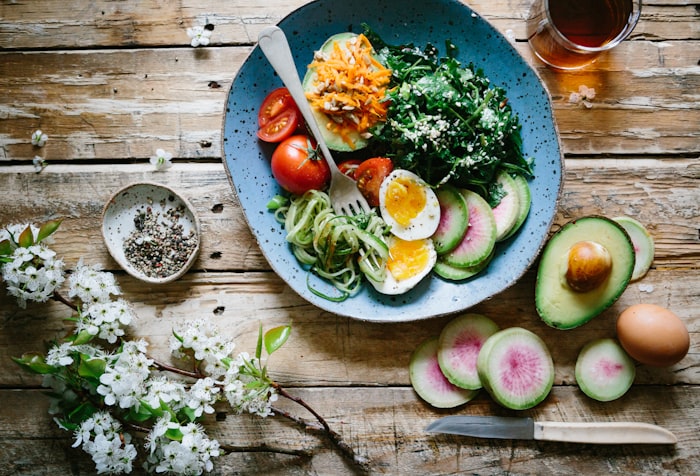
Preparing a keto-friendly meal with healthy fats and proteins

Still Have Questions?

Book a free 15-minute keto nutrition consultation with the GymDietUSA team.

Book Free Consultation →
Medical Disclaimer: The information on this page is for educational purposes only and is not intended as medical or nutritional advice. The ketogenic diet is a significant dietary change and may not be suitable for everyone — particularly people with type 1 diabetes, kidney disease, liver conditions, pancreatitis, or those who are pregnant or breastfeeding. Always consult a qualified physician or registered dietitian before starting a ketogenic diet, especially if you take medications that may require dose adjustment when carbohydrate intake changes.