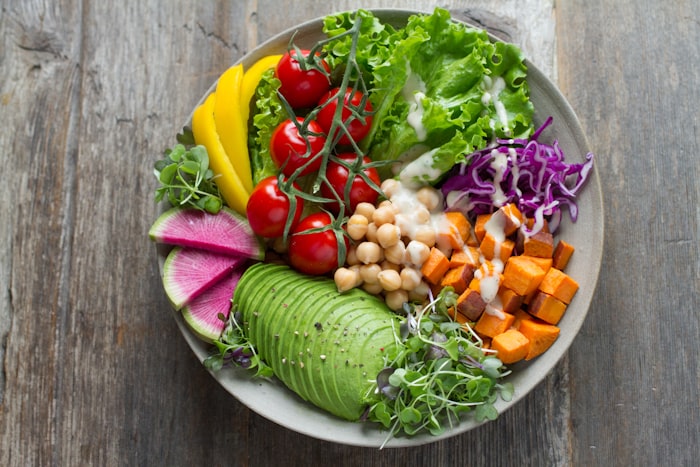
High-Protein Diet Plan for Muscle Gain & Fat Loss (2026) | GymDietUSA
🔥 #1 Trending Diet — USA 2026

High-Protein Diet Plan

The science-backed, no-BS guide to eating more protein so you can build lean muscle, burn stubborn fat, and never feel hungry again. Updated for 2026.
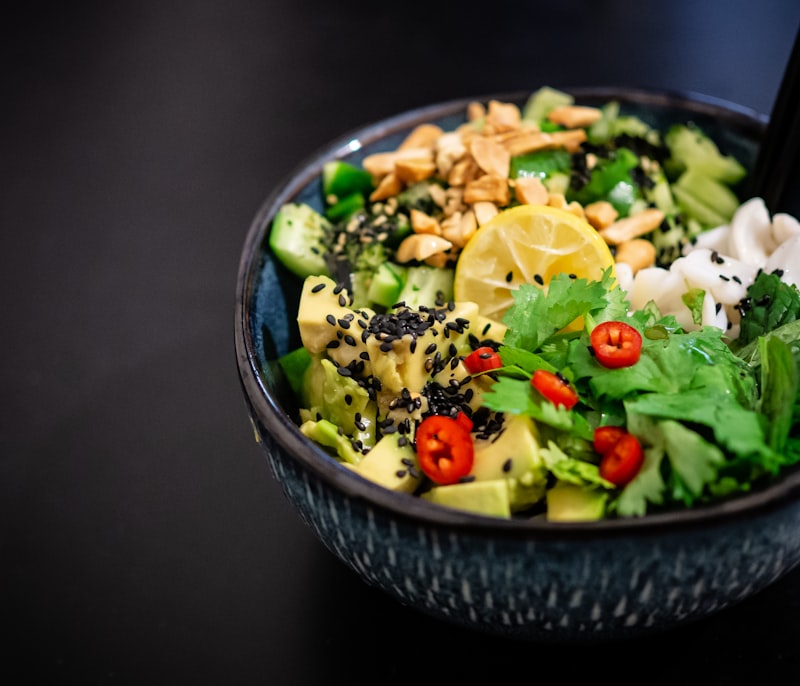
🔥 Muscle Gain 🔥 Fat Loss 💪 Beginner-Friendly 📅 7-Day Meal Plan 🧬 Science-Backed
High protein meal with grilled chicken, eggs and vegetables
61%
Americans Eating More Protein in 2025
30%
Thermic Effect of Protein
0.8g
Min. Protein Per lb BW Daily
The Real Problems Solved

Why You're Not Seeing Results — And How Protein Fixes It

These are the six most common diet pain points that keep US gym-goers stuck. High-protein eating directly addresses every single one.

😩

Always Hungry on a Diet

You eat "clean" all day but still find yourself raiding the pantry at 10pm. Low-protein diets fail to trigger satiety hormones like PYY and GLP-1.

✅ Protein is the most filling macronutrient it keeps you full 2× longer than carbs or fat.
📉

Losing Muscle, Not Fat

The scale is going down — but so is your strength and muscle tone. Without sufficient protein, your body cannabilizes muscle tissue for energy.

✅ High protein intake (0.8–1g/lb) shields lean muscle during a calorie deficit — proven by peer-reviewed research.

Energy Crashes All Day

You hit a wall at 2pm, struggle through workouts, and need caffeine to function. This is a classic sign of protein-carb imbalance and blood sugar swings.

✅ Protein + fiber + healthy fat at each meal stabilizes blood sugar and eliminates the afternoon energy crash.
🔄

Stuck at a Plateau

Weight loss has completely stalled despite eating less. Many plateaus are caused by metabolic slowdown from muscle loss not overeating.

✅ Preserving muscle with adequate protein keeps your metabolic rate elevated so fat loss continues.
🍩

Constant Junk Food Cravings

Can't stop thinking about chips, sweets, and fast food? Research shows low protein intake drives overconsumption of carbs and fats to compensate.

✅ The "Protein Leverage Hypothesis" shows that hitting your protein target kills junk food cravings at the source.
🏋️

Slow Recovery Between Workouts

You're sore for 3–4 days after every session and can't train at full intensity. Inadequate protein means your muscle fibers aren't repairing fast enough.

✅ 20–40g of protein post-workout triggers Muscle Protein Synthesis (MPS) for faster repair and less soreness.
The Golden Formula

How Much Protein Do You Actually Need?

The answer depends on your goal. Most people eat far less protein than they think — and far less than they need.

⚖️ Daily Protein Targets by Goal

Maintain Weight 0.5–0.6g / lb
Fat Loss (Preserve Muscle) 0.7–0.9g / lb
Muscle Building 0.8–1.0g / lb
Aggressive Cutting 1.0–1.2g / lb
Athletes / Advanced 1.0–1.4g / lb

Source: NCBI Protein Intake and Muscle Mass Research

📊 Daily Protein by Body Weight

Body WeightMuscle GainFat Loss
130 lbs104–130g91–117g
150 lbs120–150g105–135g
170 lbs136–170g119–153g
180 lbs144–180g126–162g
200 lbs160–200g140–180g
220 lbs176–220g154–198g
250 lbs200–250g175–225g
Get My Exact Protein Target (Free) →
Best Protein Foods

Top High-Protein Foods for Gym-Goers

These are the most protein-dense, affordable, and gym-ready foods available in any US supermarket. Amounts are per 100g serving.
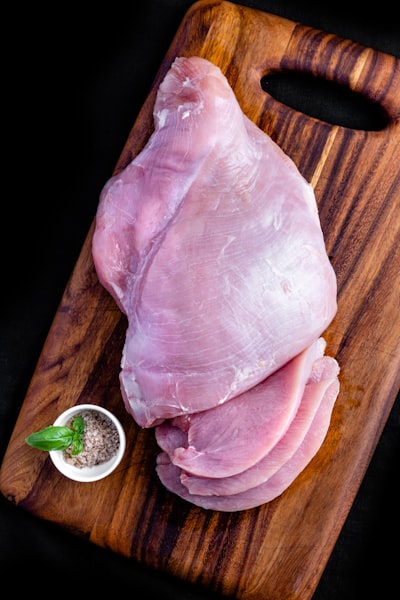
Chicken breast high protein food🏆 #1
Chicken Breast
31g protein / 100g
LeanLow FatBudget
Canned tuna protein source
Canned Tuna
30g protein / 100g
Omega-3Low CalQuick
Eggs high protein
Whole Eggs
13g protein / 100g
CompleteVersatileCheap
Greek yogurt protein
Greek Yogurt
10g protein / 100g
ProbioticSnackTrending
Salmon high protein omega 3
Salmon
25g protein / 100g
Omega-3Heart Health
Cottage cheese protein snack
Cottage Cheese
12g protein / 100g
CaseinNight Snack
Lentils plant protein
Lentils
9g protein / 100g
Plant-BasedFiberBudget
Turkey high protein low fat
Turkey Breast
29g protein / 100g
LeanLow Fat
Free 7-Day Plan

Your 7-Day High-Protein Meal Plan

A practical, flexible, and budget-friendly weekly meal plan built around 150–180g of protein per day. All meals are quick, real-food based, and gym-proven.

DAY 1
Muscle-Building Monday
~2,200 cal
🍳
Breakfast
4-egg scramble with spinach, feta, and 1 slice whole-grain toast
~30g protein
🥗
Lunch
Grilled chicken quinoa bowl with mixed greens and olive oil
~45g protein
🥜
Snack
Greek yogurt with a handful of almonds and blueberries
~18g protein
🍽️
Dinner
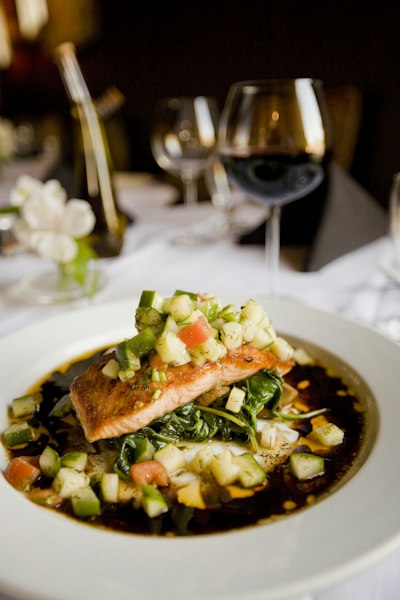
Baked salmon with roasted broccoli and sweet potato
~40g protein
DAY 2
Fat-Burning Tuesday
~2,100 cal
🥣
Breakfast
Protein oatmeal with banana, chia seeds, and almond butter
~28g protein
🌯
Lunch
Tuna salad wrap with avocado, cucumber, and whole-wheat tortilla
~38g protein
🧀
Snack
Cottage cheese with berries and a sprinkle of flaxseed
~20g protein
🍽️
Dinner
Lean ground beef stir-fry with bell peppers, snap peas, and brown rice
~42g protein
DAY 3
Recovery Wednesday
~2,050 cal
🫙
Breakfast
Greek yogurt parfait with granola, honey, and mixed berries
~22g protein
🍤
Lunch
Shrimp and brown rice bowl with edamame and sesame ginger dressing
~40g protein
🥚
Snack
2 hard-boiled eggs with a piece of fruit
~14g protein
🍽️
Dinner
Turkey meatballs with zucchini noodles and marinara sauce
~44g protein
DAY 4
Power Thursday
~2,300 cal
🍳
Breakfast
Smoked salmon and cream cheese on rye with 2 poached eggs
~34g protein
🥙
Lunch
Turkey and hummus grain bowl with kale, tomatoes, and tahini
~40g protein
🥛
Snack
Protein shake with milk and a banana (post-workout)
~30g protein
🍽️
Dinner
Grilled pork tenderloin with roasted Brussels sprouts and quinoa
~42g protein
DAY 5
Flex Friday
~2,150 cal
🥞
Breakfast
High-protein pancakes (oat flour + eggs + cottage cheese) with berries
~28g protein
🥗
Lunch
Chicken Caesar salad with parmesan, romaine, and whole-grain croutons
~42g protein
🧀
Snack
String cheese and a handful of mixed nuts
~14g protein
🍽️
Dinner
Baked cod with lemon herb crust, green beans, and roasted baby potatoes
~38g protein
DAY 6
Weekend Fuel
~2,250 cal
🍳
Breakfast
Veggie and egg white frittata with spinach, mushrooms, and peppers
~26g protein
🥩
Lunch
Grass-fed beef burger (no bun) with avocado, side salad
~44g protein
🍎
Snack
Apple with 2 tbsp almond butter and Skyr yogurt
~16g protein
🍽️
Dinner
Chicken tikka with brown rice and cucumber raita (Greek yogurt-based)
~46g protein
DAY 7
Prep & Reset Sunday
~2,000 cal
🥣
Breakfast
Overnight oats with protein powder, chia seeds, and strawberries
~32g protein
🍲
Lunch
Lentil and chicken soup with whole-grain bread
~38g protein
🥛
Snack
Protein shake with unsweetened almond milk
~25g protein
🍽️
Dinner
Sheet-pan roasted chicken thighs with seasonal vegetables and quinoa
~40g protein

A Perfect Day on the Plate

The magic formula behind lasting results isn't calorie obsession — it's the power trifecta at every single meal. Here's what it looks like from sunrise to dinner.

🥩 Protein + 🥦 Fiber + 🥑 Healthy Fat = Results

This combination slows digestion, stabilizes blood sugar, and keeps energy and cravings under control all day long.

Morning
7AM
Scrambled Eggs + Spinach + Avocado

Protein + Fiber + Healthy Fat — kickstarts metabolism and fuels the first half of your day.

~30g protein
Midday
12PM
Grilled Chicken + Quinoa + Mixed Veggies

Sustains energy, prevents the afternoon slump, and provides amino acids for muscle maintenance.

~45g protein
Snack
3PM
Greek Yogurt or Almonds or Cottage Cheese

Skyr, Greek yogurt, or a handful of nuts bridges the gap without spiking blood sugar.

~18g protein
Evening
7PM
Baked Salmon + Roasted Broccoli + Sweet Potato

Omega-3s for recovery, fiber to slow digestion overnight, and complex carbs to replenish glycogen.

~40g protein
Science-Backed

5 Protein Facts That Will Change How You Eat

These are not bro-science myths. These are peer-reviewed findings about protein that most people have never heard.

🔥

The Thermic Effect of Protein

Your body burns 20–30% of protein's calories just to digest it. Compared to 5–10% for carbs and just 0–3% for fats — eating protein literally speeds up your metabolism more than any other food.

🛡️

Muscle Guardian During Weight Loss

When losing weight, a high-protein intake acts as a protective shield for lean muscle mass. Since muscle burns calories at rest, preserving it is essential for maintaining long-term metabolic rate.

🧬

The Protein Leverage Hypothesis

Scientists theorize that humans are biologically driven to eat until their protein need is met. A low-protein diet causes overconsumption of carbs and fats just to reach the protein target. Eat protein first and cravings drop.

🦴

Bone Health Myth Busted

Old fears that high protein leaches calcium from bones are outdated. Modern research confirms protein supports bone density, especially when combined with calcium-rich foods and weight-bearing exercise.

🌅

The Second-Meal Effect

A high-protein breakfast doesn't just keep you full until lunch. Studies show it can reduce total calorie intake at dinner, hours later. A morning protein investment pays dividends all day long.
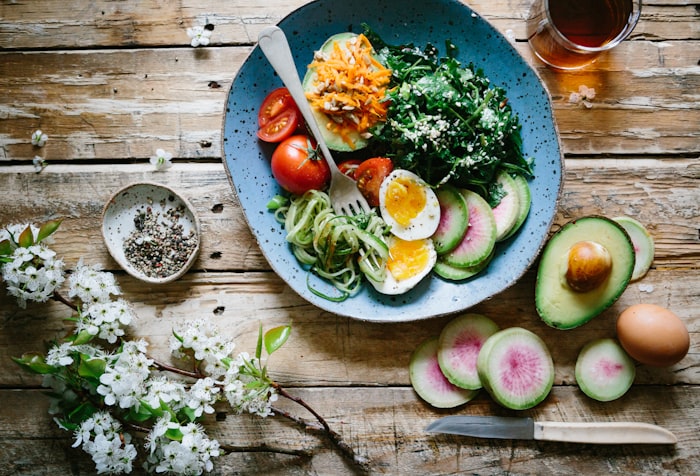
High protein meal prep with nutritious foods

61% of Americans

increased their protein intake in 2024–2025, up from 48% in 2019. Protein is the #1 trending macronutrient — and for good reason.

Read: Macronutrients 101 →
Trending Strategy

The 3-3-3 Rule for Weight Loss

The simplest habit-based system going viral in 2026 — three numbers that cover everything your body needs to lose fat and stay on track.

3
Meals
+
3
Liters Water
+
3
Hrs Activity

Simple, trackable, and sustainable. The 3-3-3 rule pairs perfectly with a high-protein diet to create lasting fat loss without obsessive tracking.

🍳

3 Balanced Protein-Rich Meals

Each meal should hit the trifecta: protein + fiber + healthy fat. Aim for 30–50g of protein per main meal to maximize satiety and muscle synthesis across the day.

💧

3 Liters of Water by Mid-Afternoon

Reaching 3 liters (roughly 100 fl oz) by 3pm prevents hunger confusion (often mistaken for thirst), supports digestion, and maximizes protein utilization in muscle tissue.

🏃

3 Hours of Physical Activity per Week

The minimum effective dose for fat loss and muscle retention. Three 60-minute sessions of strength training or cardio per week is enough to see real body composition changes.

Safety & Research

Is a High-Protein Diet Actually Safe?

The short answer is yes — for healthy individuals. Here is what the current research actually says, without the myths.

Safe for Healthy Adults

A high-protein diet is generally safe for healthy individuals for both short-term and long-term use. Current research shows no adverse effects on kidney or liver function in people without pre-existing conditions.

💪

Prevents Muscle Loss

Higher protein intake prevents muscle wasting during calorie restriction. This is especially critical for adults over 40, where natural muscle loss (sarcopenia) accelerates without adequate dietary protein.

🫀

Reduces Visceral Fat

Studies confirm that adding protein while reducing calories specifically targets harmful visceral fat the dangerous fat stored around abdominal organs more effectively than low-protein calorie restriction.

🦴

Supports Bone Density

Contrary to old myths, protein supports bone health not harms it. It improves calcium absorption and bone mineral density when combined with adequate calcium-rich foods and resistance training.

⚠️

When to Be Cautious

People with pre-existing kidney disease should consult a doctor before significantly increasing protein intake. Those on medications should also check for protein-drug interactions with a healthcare provider.

🥦

Balance Is Everything

High protein works best when it does not crowd out fiber. Fruits, vegetables, and whole grains remain essential. A protein-first approach, not a protein-only approach, is what the research supports.

Research reference: NCBI — High-Protein Diet Safety Review | Harvard Nutrition Source — Protein Guidelines

People Also Ask

Your Top Questions — Answered

Research consistently recommends 0.7–1.0g of protein per pound of body weight daily for muscle gain. A 180-lb person needs roughly 126–180g of protein per day. Use our free macro calculator to get your exact number.
Yes. Studies show high-protein diets specifically reduce visceral fat by improving insulin sensitivity, increasing satiety hormones, and boosting the thermic effect of food meaning you burn more calories simply by digesting protein.
The 3-3-3 rule: eat 3 balanced protein-rich meals per day, drink 3 liters of water by mid-afternoon, and complete at least 3 hours of physical activity per week. It's a simple framework that makes consistency achievable for real people with real lives.
Yes — for healthy individuals. Current research shows high-protein diets are safe long-term and actually protect bone density and lean muscle mass. Consult a doctor if you have pre-existing kidney conditions.
Top picks: Chicken breast (31g/100g), canned tuna (30g/100g), turkey breast (29g/100g), eggs (13g/100g), Greek yogurt (10g/100g), cottage cheese (12g/100g), and lentils (9g/100g). See the full food carousel above for a complete list with images.
Plant-based protein sources like lentils, tofu, tempeh, edamame, Greek yogurt, cottage cheese, and quinoa can fully meet your protein needs. Our Vegan Gym Diet Plan shows exactly how to do it.
Distribute protein evenly across all meals — research shows spreading 30–50g of protein per meal maximizes muscle protein synthesis better than loading it all in one sitting. Post-workout protein within 2 hours is especially important for recovery.
Nutritious high protein foods arranged for meal planning

Still Have Questions?

Book a free 15-minute nutrition consultation with the GymDietUSA team.

Book Free Consultation →
Medical Disclaimer: The information on this page is for educational purposes only and does not constitute medical advice. Always consult a qualified physician, registered dietitian, or certified nutrition professional before making significant changes to your diet, especially if you have pre-existing health conditions such as kidney disease, diabetes, or cardiovascular conditions. Individual results vary based on body composition, activity level, and adherence.